11/2/2026

NIVEA and Sozialheld*innen test inclusive packaging solutions

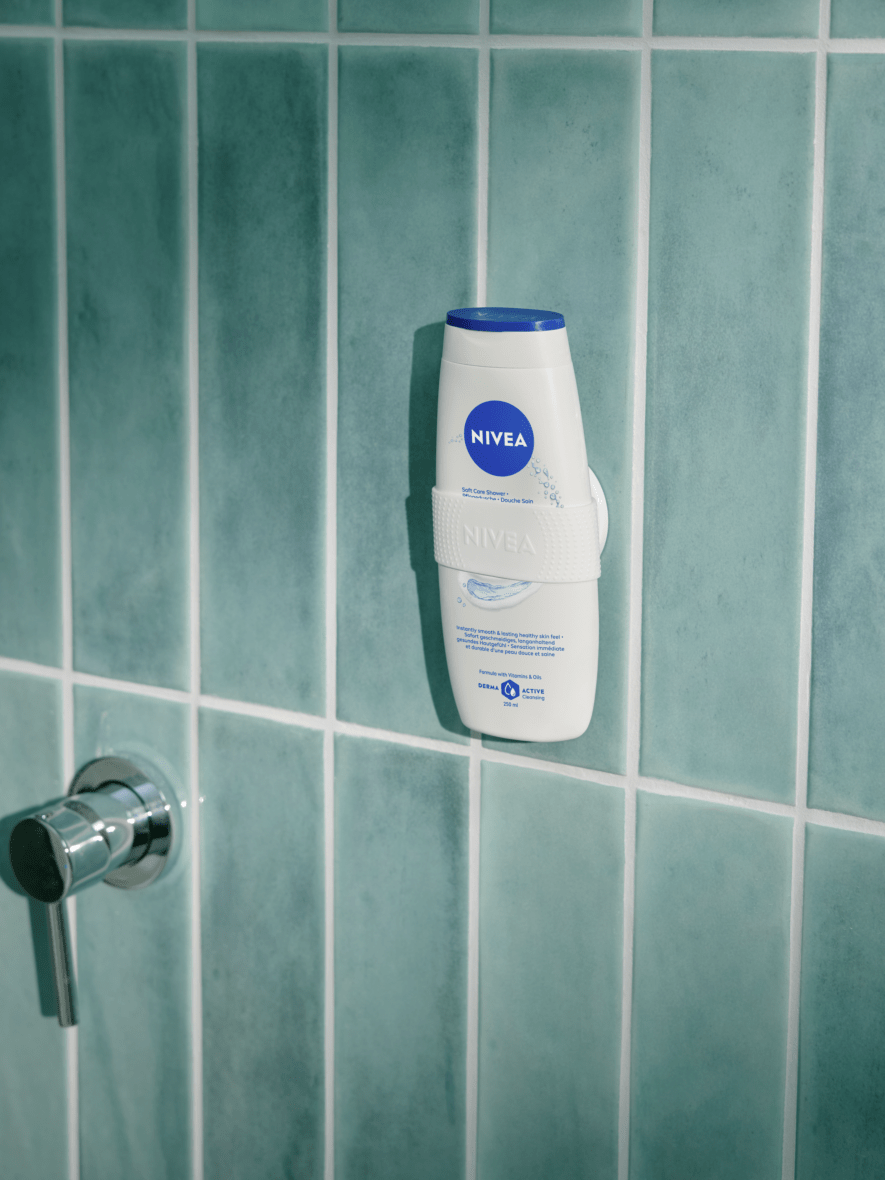
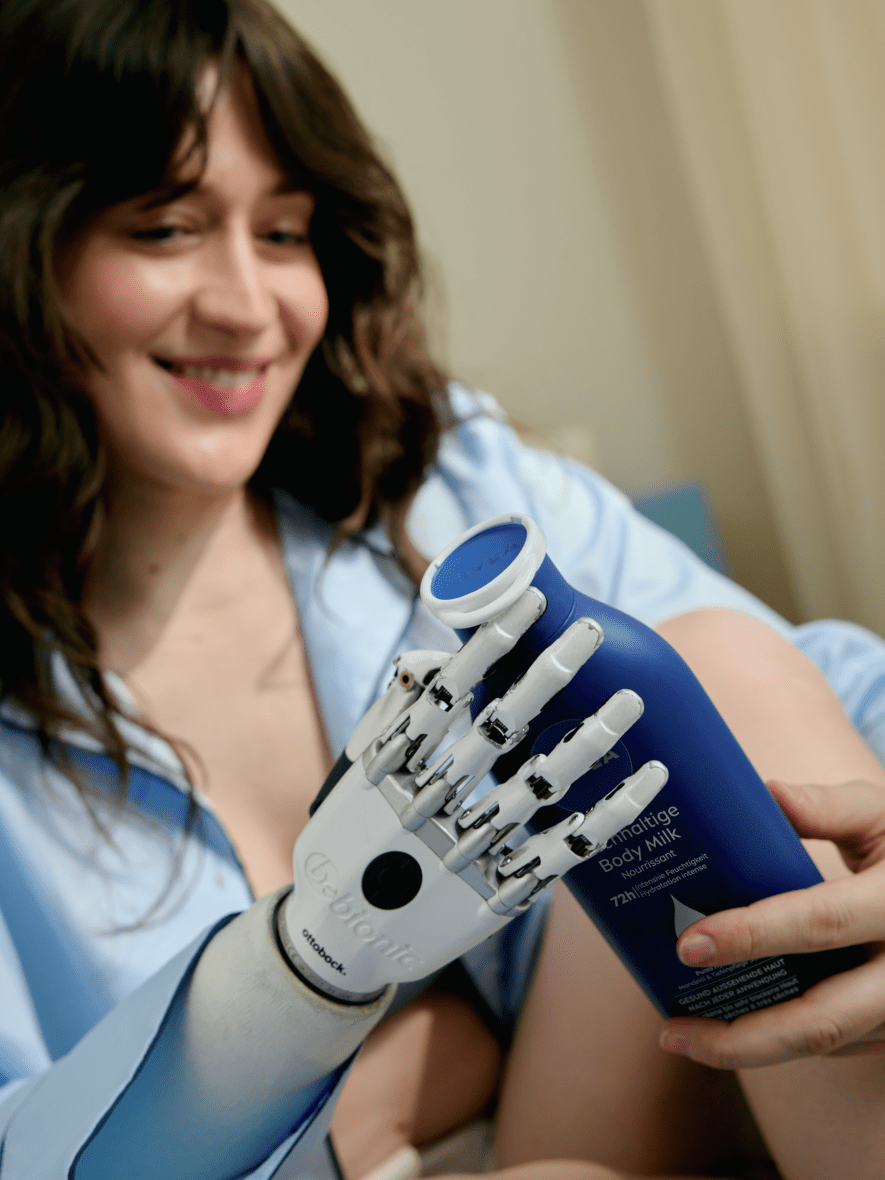
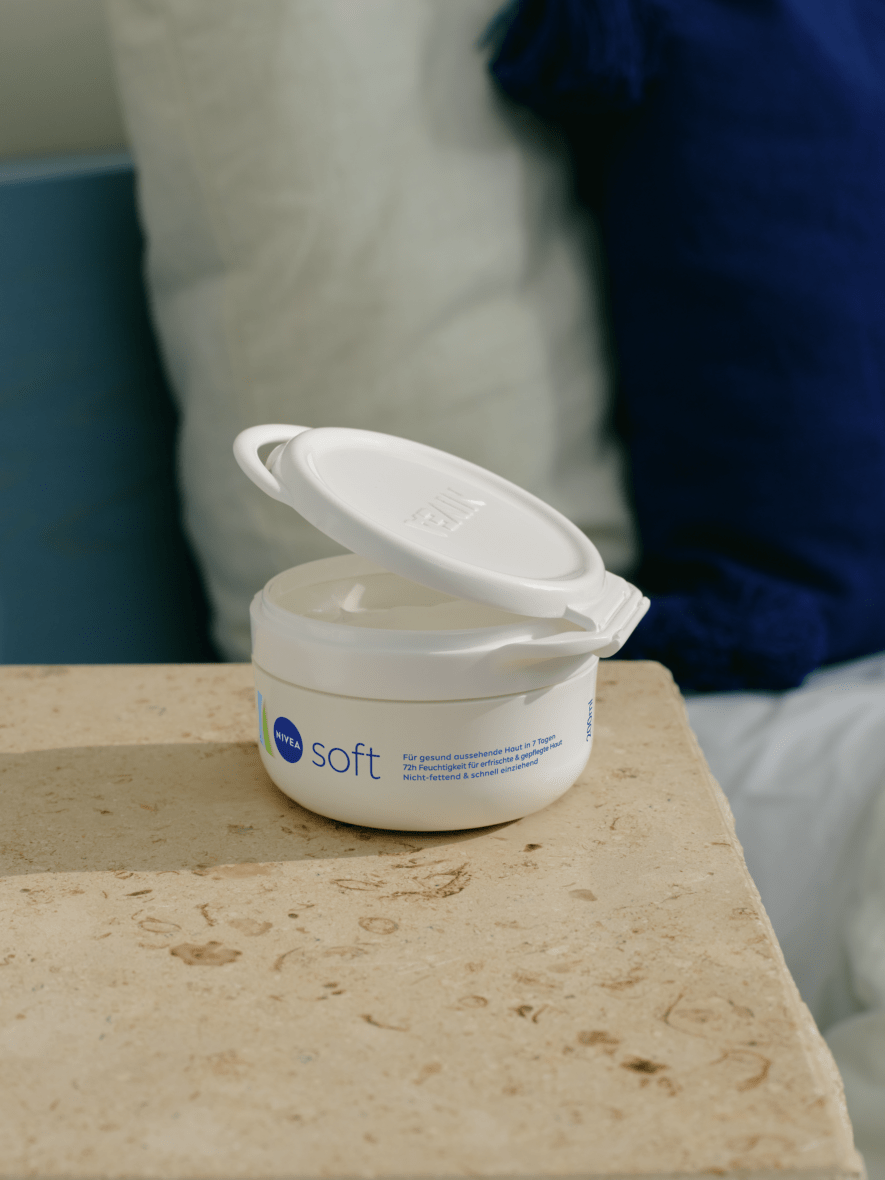
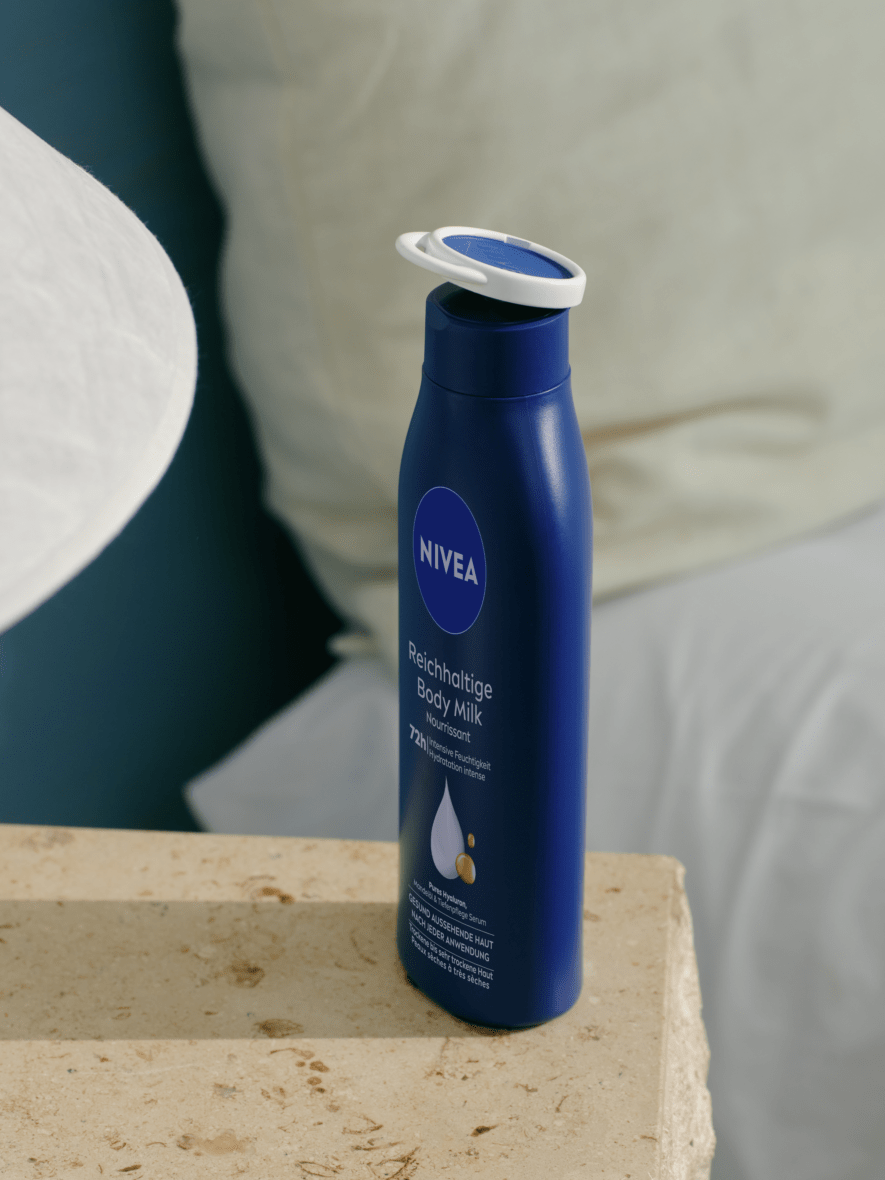
Twisting open a cream jar, squeezing shower gel into the hand, opening a bottle of body lotion: for some, these are routine tasks; for others, they can be a barrier. As a global company with brands such as NIVEA, an icon in skin care for more than 100 years, Beiersdorf wants to make skin care more accessible to people with different needs and life experiences. That’s where a new pilot project comes in: Together with the NGO Sozialheld*innen and tesa, NIVEA has developed more accessible, reusable packaging accessories for NIVEA Soft Creme, shower gel, and body lotion. The pilot launches at the NIVEA Houses in Hamburg and Berlin in November 2026.

In this article, Jenny Behnk, Global Design & Brand Identity Manager NIVEA, Edwin Turusev, Packaging Engineer at Beiersdorf, and Raúl Krauthausen, inclusion activist and founder of Sozialheld*innen, share how the pilot evolved from the initial idea to the in-store concept.

Jenny, how and when did the idea of developing inclusive packaging for NIVEA products come about?

Jenny Behnk, Global Design & Brand Identity Manager NIVEA, Beiersdorf

Jenny: Our products reach a diverse range of people around the world every day. That makes inclusion central to us as a company, both for our more than 22,000 employees and for our consumers. That commitment got us thinking about how we could take a more inclusive approach to packaging, too. The accessories and their timeless design are the result of a multi-year, co-creative development process.

In 2021, we began working with Sozialheld*innen to analyze selected packaging solutions, better understand the barriers people face in using them, and find ways to address them.


Raúl, Sozialheld*innen’s motto is, “We practice constructive activism.” What does that mean to you, both generally and in the context of this project?

Raúl Krauthausen, founder Sozialheld*innen (c) Anna Spindelndreier

Raúl: Our work is driven by strong values and the common good, but we’re also constructive and pragmatic. We care about quality and we’re not afraid to try something new.

When we first met the Beiersdorf team, it quickly became clear that there was a genuine interest in changing things. We appreciated how openly we could discuss ideas and how consistently our feedback was included throughout the process.

To me, this project is a great example of what successful collaboration between different partners can look like.


Why are inclusive packaging solutions important?
According to the latest survey by the German Federal Statistical Office (2023), around 7.9 million people in Germany live with a severe disability, 58% of whom have a physical disability. This includes people with motor impairments affecting their arms and hands, who may find product packaging difficult to open or use. With demographic change, the number of people experiencing these kinds of barriers in their everyday lives is expected to grow. 

Edwin, as a development engineer, there is a lot you can plan in theory. How important was the regular exchange with Sozialheld*innen?

Edwin Turusev, Packaging Engineer, Beiersdorf

Edwin: It was absolutely essential. Without our ongoing exchange, we wouldn’t have been able to develop the products around people’s real needs.

The perspectives and experiences of Sozialheld*innen helped us understand where people with disabilities can experience challenges with product packaging in everyday life. A cream jar might be hard to open, for example, or a cap might require more strength than you realize. Those are exactly the kinds of barriers these accessories are designed to address.


What did the process look like over the past five years?

Edwin: We started by analyzing 15 NIVEA product packages together. From there, we developed prototypes, which Sozialheld*innen tested together with participants with different disabilities. We used what we learned to continuously refine, adapt, or even discard the concepts.

Our Beiersdorf subsidiary tesa was also involved. As a specialist in adhesive technologies, tesa developed specific solutions for two of the three accessories to ensure secure use and easy attachment. Ultimately, we arrived at three viable concepts for reusable solutions that we are now testing in the pilot.

Jenny, which NIVEA products are the accessories designed for, and when and where can people buy them?

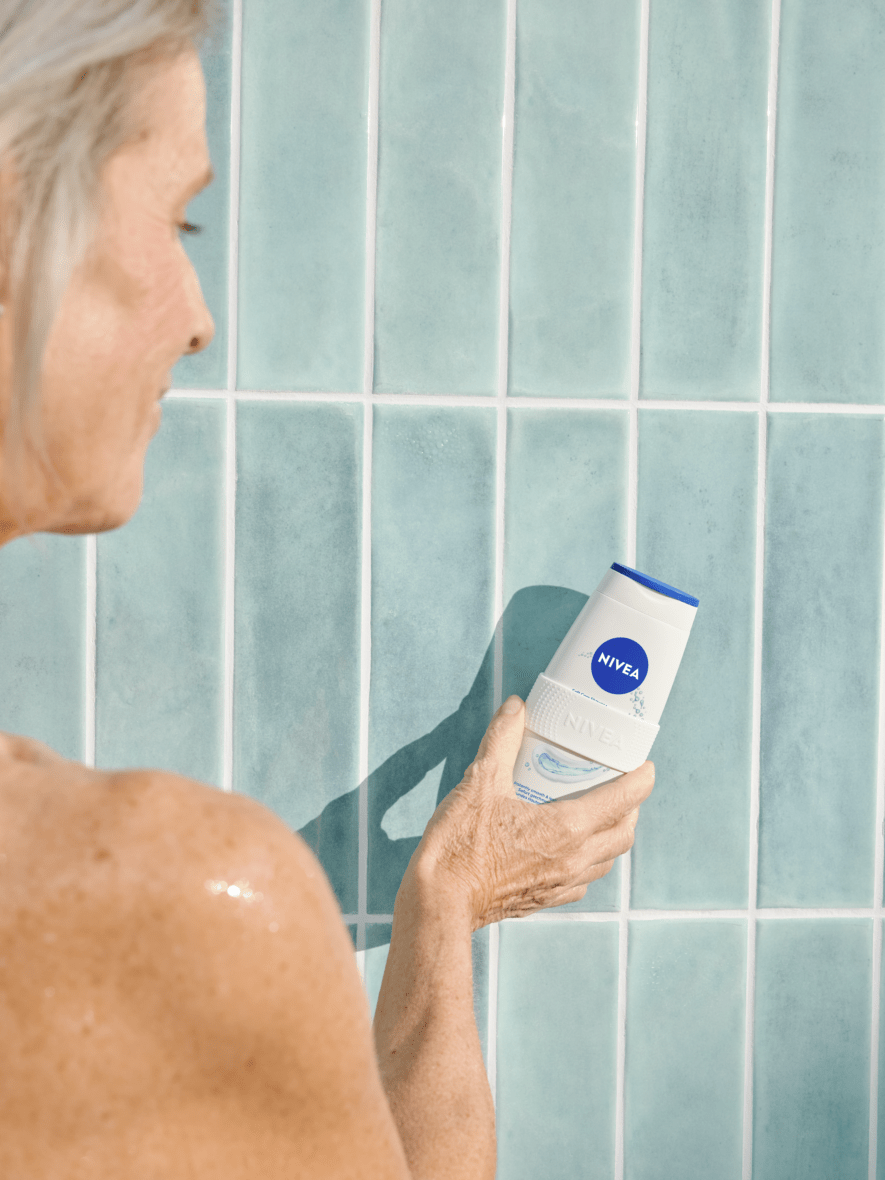
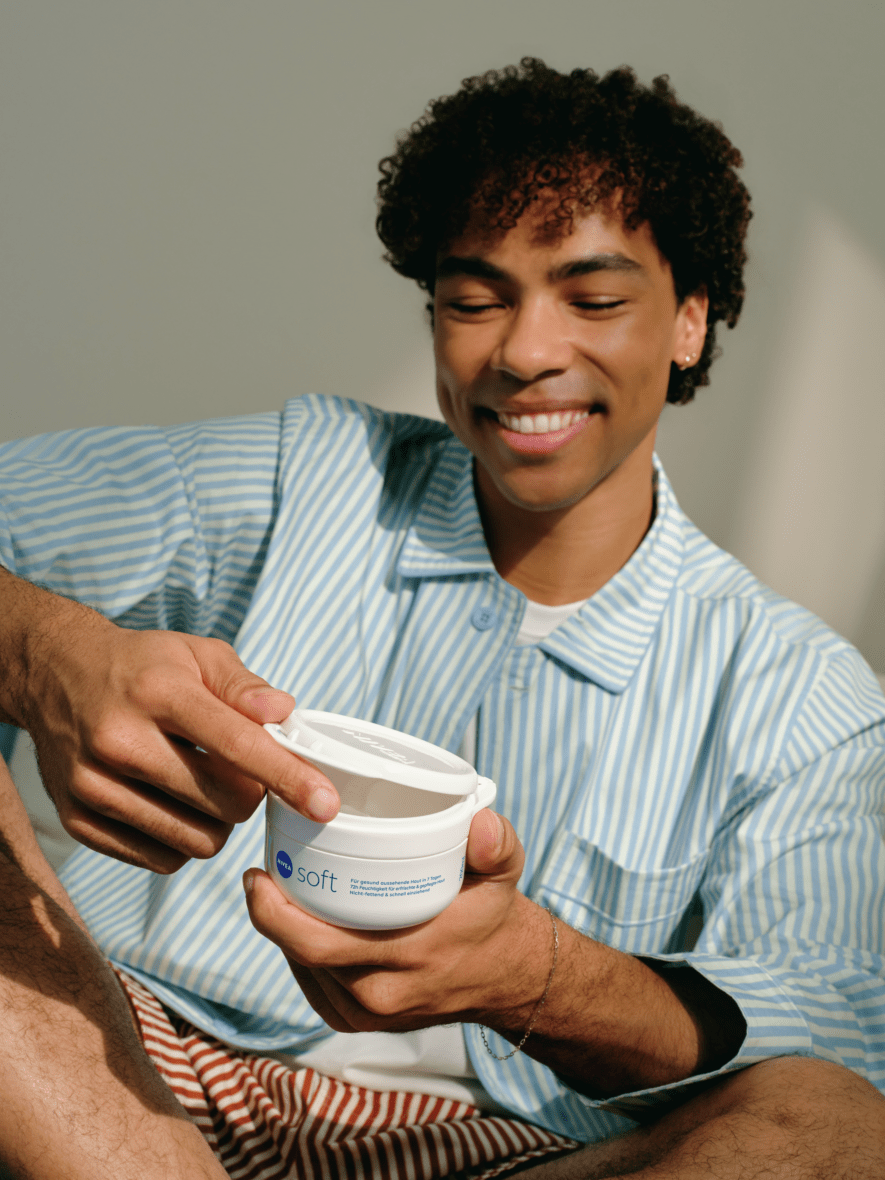
Jenny: We focused on three core products from the NIVEA range. The new accessories include a rotating wall mount for NIVEA shower gel, a lid for NIVEA Soft Creme that can be opened without twisting, and a flip-open aid for the caps of NIVEA Body Lotion. They will be introduced at the NIVEA Houses in Hamburg and Berlin in November 2026.

Why only at these two locations and not at other online or offline retail chains?

Jenny: We deliberately chose to introduce the accessories at the NIVEA Houses so that we can show consumers how to use them, explain their benefits, and gather feedback directly. It also gives us greater flexibility in how the products are presented in-store. We designed a new shelving concept for the accessories to make them easier to access, for example for people who use wheelchairs. The test stations also feature NaviLens codes, which make it easier for people who are blind or have low vision to access product information.

At the same time, we are aware that physical retail alone is not an ideal, fully accessible solution. It is an important first step and an opportunity to learn for future product development. We believe the solutions can benefit many people, from those with motor impairments and older consumers with reduced strength and mobility to anyone looking for greater convenience.

Raúl (adds): That’s exactly the point: Good inclusive design benefits everyone. Think of a parent holding a baby, for example. They’ll appreciate being able to open and use a product with just one hand, too.

Does this project mark the end of Sozialheld*innen’s collaboration with Beiersdorf?

Raúl: I’d say the project has given our collaboration new momentum. We had already worked with Beiersdorf before, for example as part of the internal volunteering initiative “CARE BEYOND SKIN Day”. Beiersdorf employees use the day to add wheelchair-accessible places to our online map, wheelmap. Creating lasting participation requires long-term collaboration. We remain in close contact with Beiersdorf and continue to look for opportunities to bring our “Blueprint for Collaboration” into the conversation around product development.

Thank you for the conversation.

About the editor: Henrike Halliwell

Henrike is part of the Corporate Communications team, where she’s responsible for the topics of Corporate Social Responsibility (CSR) and Diversity, Equity & Inclusion (DE&I). Her work centers around communicating Beiersdorf’s commitment to support an inclusive society and work culture. Guided by a strong belief that inclusion benefits us all, individually and as a society, Henrike’s stories spotlight initiatives and people who make a difference.