LEADING IN EPIGENETIC SCIENCE: REACTIVATING THE LONGEVITY GENES WITH EPICELLINE®

The desire to grow old while keeping the vitality and appearance of youth is almost as old as mankind itself. While the “fountain of youth” remains a dream, one thing is now within reach: What if our skin could look visibly younger than our birth certificate indicates? For decades, skin aging was believed to be genetically fixed. But the findings in the field of epigenetics overturned this idea. According to these, our skin’s vitality, firmness or wrinkles are influenced by many external factors such as nutrition, exercise, stress, sleep and UV exposure—all affecting our epigenetic pattern and biological age. The good news: These changes are reversible – we can reactivate biological processes in the cells and actively support skin longevity.


WHAT IS EPIGENETICS?

“Epigenetics” (Greek “epi” = on, over) is a kind of additional genetics and a link between environmental factors such as diet, sun, pollution, or stress and our genes. Epigenetic mechanisms help determine when genes are silenced or switched on – without changing the genetic material itself. Instead, small chemical markers are attached to the DNA, which influence gene activity.

WHAT IS EPICELLINE® & HOW DOES IT WORK?

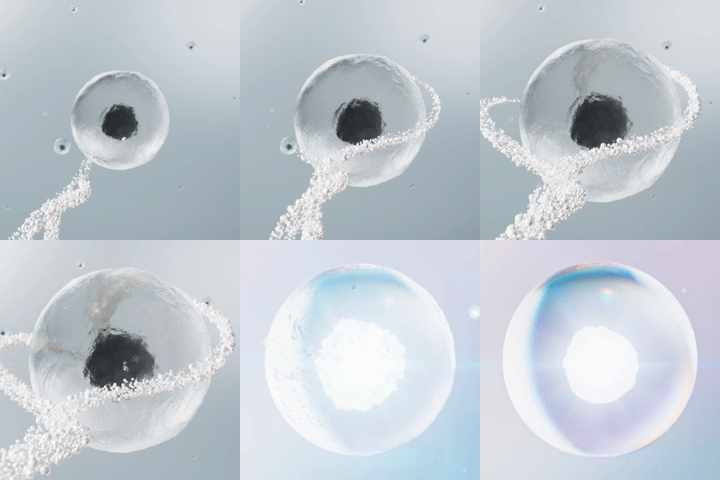
EPICELLINE® is our pioneering active ingredient that stimulates the longevity of skin cells and reverses the skin’s biological age. EPICELLINE® addresses a key cause of aging by targeting age-dependent epigenetic alterations. Silenced longevity genes become reactivated, and more youthful skin function is restored – and the skin is rejuvenated from the inside out.

WHAT IS OUR AGE CLOCK TECHNOLOGY?

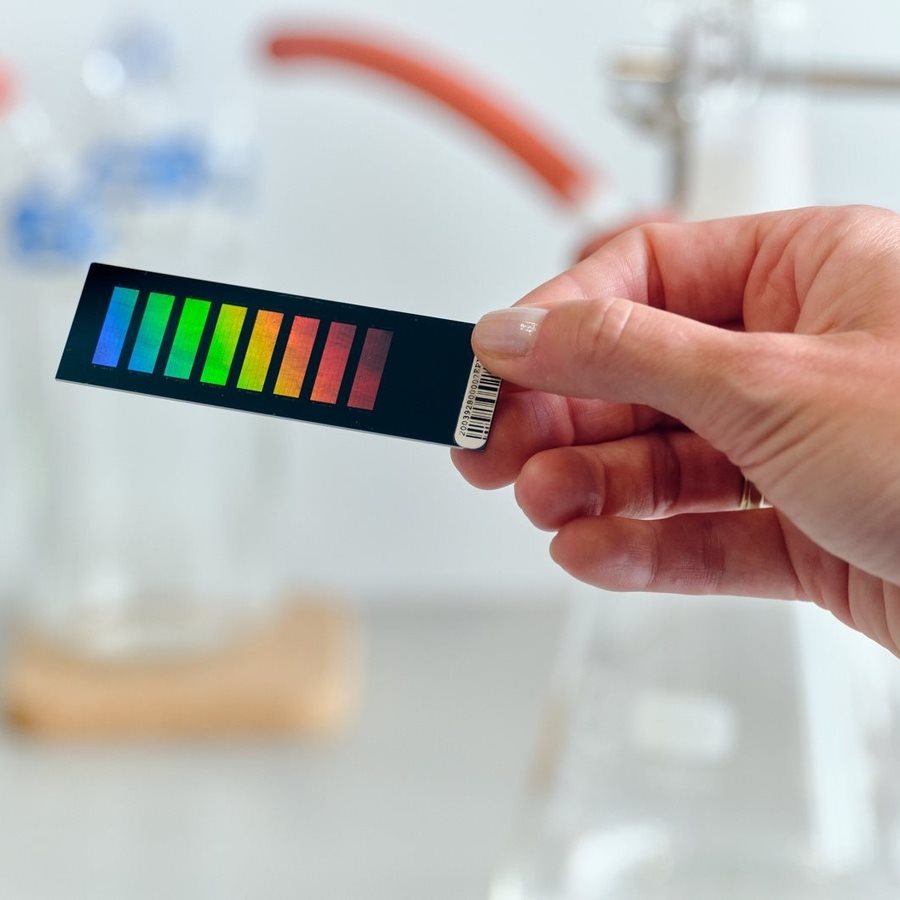
Beiersdorf created and patented the first skin-specific Age Clock. Its algorithm is based on epigenetic patterns of young and aged skin and precisely measures the skin’s biological age. The biological age determines the skin cells’ behavior and the appearance of our skin. This cutting-edge technology allows us to specifically identify ingredients that turn back the skin's biological clock.

WHAT’S BEHIND THE EPIGENETIC PATTERN?

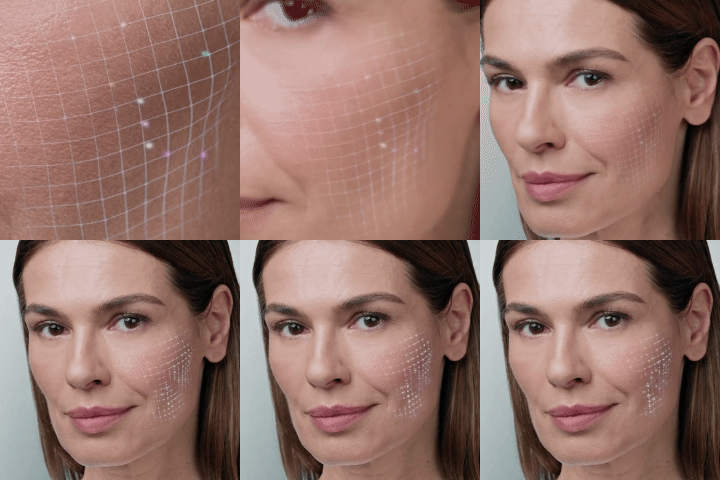
Our individual skin code contains all the information for the skin to look young and healthy (blue lines). With aging, the way this code is read changes (blue dots from the lines). More epigenetic blockages on the skin code lead to an aged epigenetic pattern and skin appearance. The goal: to reduce the blockages and thus rejuvenate this pattern and the appearance of the skin.

EPICELLINE®: FACTS & FIGURES

15+ YEARS OF RESEARCH

An interdisciplinary team of around 20 people works on epigenetics at Beiersdorf.

Exclusive insights from our scientists

We can measure around 850,000 methylation sites in the genome with a chip. This helps to understand which blockages are responsible for skin aging.

OVER 50,000 INGREDIENTS TESTED

15+ PEER-REVIEWED PUBLICATIONS

Our skin cells use more than 15,000 genes to control their biological processes (renew, repair, form structural proteins etc.). With increasing age, some of these genes are epigenetically switched off. This means that the skin cell can no longer fully perform its tasks.

”For us, the very dynamic research field of epigenetics holds enormous potential – and it represents a decisive step for the next major innovations in the field of skin rejuvenation.”

Dr. Gitta Neufang

Chief Research & Development Officer

PRODUCTS WITH EPICELLINE®

    FAQ: WHAT YOU NEED TO KNOW

    • The discovery that there are some mechanisms in our genome that cause certain genes to be activated and others not, is more than 80 years old. At that time, the structure of human DNA with its approximately 23,000 genes was still unknown. The British developmental biologist, geneticist and philosopher Conrad Hal Waddington (1905-1975) is considered the pioneer of epigenetics. But it was not until the early 2000s, with the increasing importance of the so-called life sciences, that epigenetics moved into the focus of international research. Our Beiersdorf scientists have been active in this young field of research for more than 15 years – and have published numerous papers in renowned specialist media.

    • Epigenetic mechanisms are involved in determining when a gene is read or silenced. This process does not involve changes to the genetic information in the genome. Instead, small, chemical molecules are attached to the DNA (cf. “epi”, Greek for “on”). Several types of epigenetic modifications exist, including DNA methylation. Importantly, this process can be reversed. Cells use this as a natural mechanism to adapt or respond to environmental changes. As we age, the pattern of epigenetic markers changes in characteristic ways.  

    • The totality of the genes of a cell is called genome, the totality of its epigenetic structures is called epigenome. Every human being has an individual genome (“fingerprint”) and this is contained in all our body cells in the form of DNA. The epigenome of individual body cells can differ greatly from one another. It depends, for example, on the age of the cell and the type of tissue or organ from which it originates. Even neighboring cells can theoretically have a different past – and thus also different epigenomes. 

    • The chronological age is based on our year of birth. Biological age, on the other hand, describes our physical condition and – depending on our lifestyle – can sometimes differ greatly from our age according to our birth certificate. Very obviously, this is reflected by our largest organ, the skin: in the course of life, external factors such as nutrition, sun exposure, environmental pollution, stress, exercise have a positive or negative effect on it. The resulting changes form an individual epigenetic pattern that can reversibly turn on and off some biological mechanisms – directly affecting the biological age of the skin and its appearance. Our individual epigenetic pattern thus translates into the biological age of our skin and explains why some people look younger or older than they actually are.

    • Japanese people like to drink green tea. The fact that regular consumption has a positive effect on cancer statistics can be proven with the help of epigenetic research. When unfermented tea leaves are brewed, a substance with the complicated name epigallocatechin-3-gallate (EGCG) is released. EGCG reactivates cancer-fighting processes that are epigenetically silent, especially in older people. Green tea acts like a “peeling” for the gene sequence and reactivates these processes. Furthermore, studies have shown that a healthy lifestyle, including e.g., a healthy diet, sufficient exercise and sleep, can have a positive effect on biological age.2

      2 Source: Fitzgerald et al.: Potential reversal of epigenetic age using a diet and lifestyle intervention: a pilot randomized clinical trial, AGING 2021, Vol. 13, No. 7

    • Skin research has been our passion for more than 140 years. In 1911, Beiersdorf founded modern skin care with NIVEA, the world’s first stable skin cream. Numerous innovations have followed since then. For example, more than 25 years ago we successfully launched the first anti-aging skin care product containing the active ingredient Q10 on the mass market. We remain committed to this spirit of research and innovation to this day. We are convinced that our understanding of epigenetics will play a decisive role in enabling us to substantially influence skin aging. With new products based on epigenetically active substances, we want to come closer in the future to many people’s dream of turning back the skin’s “age clock” a little. Ultimately, the focus of our globally positioned skin care company is on maintaining skin health so that everyone feels good in their skin – no matter their age.

    • Beiersdorf scientists have decades of in-depth experience in skin biology and aging. Epigenetics is an important mechanism for the regulation of biological processes that contribute to aging. We have been conducting intensive research in the field of epigenetics since 2008 and are among the leading experts on skin epigenetics. We were among the first to identify comprehensive epigenetic changes during skin aging and published this as early as 2010. In 2013, we used transcriptome sequencing to explore for the first time how age-related epigenetic changes affect skin gene expression. In 2016, we developed a skin cell “age clock” for which we received a patent in 2021. This unique technology helps us find novel skin care solutions that make people look younger than they really are.

    • No, they do not. We can completely allay this possible fear of consumers. Any change in the genetic makeup has been conclusively ruled out.

    • The development of so-called epigenetic clocks was a milestone in ageing research. According to this concept, an epigenetic clock ticks in every cell in sync with our life. Our skin code is the clockwork in this context. Over time, certain chemical modifications cause it to “rust”, so to speak, and the skin cells are no longer as functional. This phenomenon, known as methylation (DNA methylation is the longest known and best understood epigenetic mark), results in a pattern. To read and learn from it, algorithms have been developed to interpret epigenetic information holistically. The result predicts how old a cell actually is – and whether it corresponds to the year of birth.

    • The skin-specific age clock technology was developed by Beiersdorf scientists and has been patented since 2021. The algorithm behind it is a true key technology: it is based on the epigenetic patterns of young skin and mature skin and enables our scientists to assess the biological age of the skin. To date, Beiersdorf scientists have analyzed skin samples from over 1,000 people. They have measured 850,000 methylation points per person to determine which of these epigenetic markers are associated with skin aging. With the help of our Age Clock technology, we can identify skin care ingredients that positively modulate the skin’s epigenetic pattern and turn back biological skin age. We continue to optimize our skin-specific age clock technology through ongoing training of the algorithm.