RESEARCHING INNOVATIVE SKIN CARE FOR THE MICROBIOME

With an area of around two square meters, our skin is our largest organ. Billions of microorganisms live in symbiosis with it and form the skin microbiome. This acts like a smart protective shield against external influences. But balance is key: when there is an overgrowth of certain microorganisms and the composition of the skin flora shifts too much, this imbalance can be reflected in our skin’s condition. Skin issues can occur. That’s why rebalancing the skin microbiome and its bacterial diversity is essential. This is where we come in: Leveraging our expertise in microbiome research, we develop pioneering skin care solutions that have the potential to redefine how we care for our skin – science-based and effective.

 

LAYING THE GROUNDWORK >130 YEARS AGO

Beiersdorf’s pioneering spirit is reflected in collaboration with leading experts like dermatologist Prof.Dr. Unna. In 1894, he described a bacterium in skin blemishes*, known today as Cutibacterium acnes. The occurrence of skin issues is about which strains of C. acnes and in which quantity live on the skin. Unna’s discovery forms the basis for today’s microbiome research that we continue to shape.

DESIGNERS OF THE SKIN MICROBIOME

Many secrets of the skin microbiome have not yet been decoded. Our scientists have generated important findings that are now part of our Microbiome Design Platform. Our in-depth dermatological know-how and microbiological expertise are constantly expanding. We see ourselves as designers of the skin microbiome and will usher in a new era in skin care through transformative product innovations.

WHAT IS THE MICROBIOME DESIGN PLATFORM?

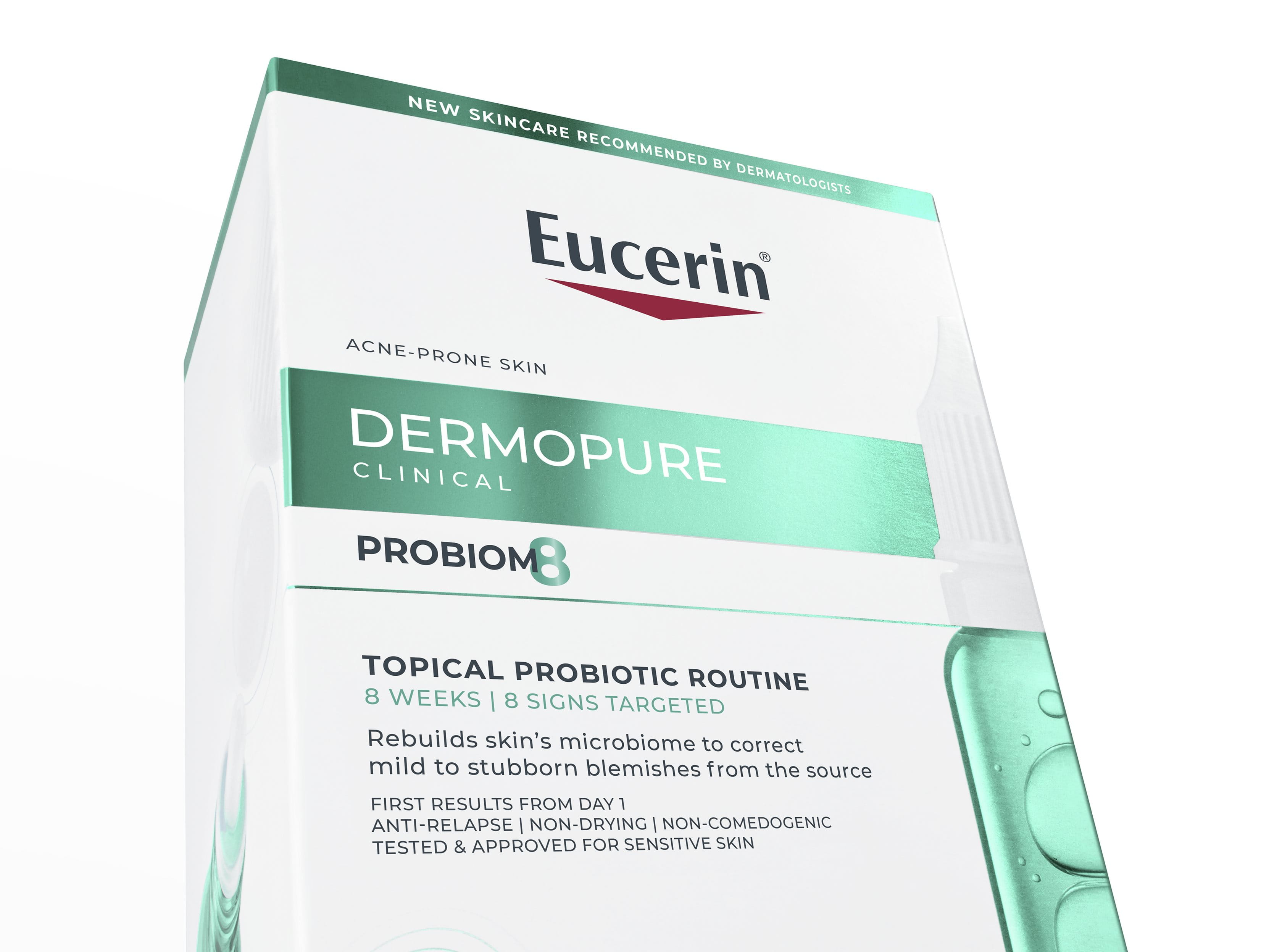
Our Microbiome Design Platform is a unique technological ecosystem to develop skin care solutions that help balance the skin’s microbiome in a very targeted way. It includes prebiotics, our Ski[N]ative probiotics technology and smart antimicrobial solutions. With these technologies, we aim to have a lasting impact on the skin microbiome for transformative results – from blemished skin to anti-age.

HELPING THE SKIN REGULATE ITSELF

With our technology platform, we are doing pioneering work in skin care. With our Ski[N]ative probiotics technology, we rely on probiotics that are part of the natural skin microbiome to support it in a very targeted way. Our novel approach helps the skin to regulate itself – through cosmetic solutions completely tailored to the skin’s natural biology to achieve good tolerability and efficacy.

ADVANCING THROUGH COLLABORATION

Pioneering innovations are created at the interfaces of disciplines. That is why we work closely with leading scientists, invest in start-ups and technologies. A key component of our skin microbiome research is the partnership with S-Biomedic since 2018. We acquired the biotech start-up in 2022 to push boundaries in skin research and unlock the full potential of the microbiome for skin care.

OUR MICROBIOME RESEARCH: FACTS & FIGURES

Decades of microbiome research

more than 70 scientists

25+ SCIENTIFIC PAPERS

first pre- and probiotic approaches since 2005

120+ scientific studies since 2014

Contributed to know­­­­­­l­edge wealth

strategic alliance with S-Biomedic

Microbiome Research at Beiersdorf

FAQ: WHAT YOU NEED TO KNOW

  • In the broadest sense, the term microbiome describes the entirety of microorganisms that live in and on our bodies – including bacteria, fungi, viruses, and other microscopic organisms. The importance of a balanced microbiome for overall health has been a major topic of public interest for years, especially in relation to the gut (gut microbiome). But an intact skin microbiome also plays a vital role: billions of microorganisms live on our skin in a symbiotic relationship. This highly active network interacts closely with skin cells and together they form the skin barrier – an intelligent shield that protects against external influences and potentially harmful organisms. The microbiological composition significantly affects the appearance and condition of our skin – and is as unique as a fingerprint.

  • Various studies have shown that, for example, a diet high in sugar and fat and low in fiber, regular consumption of nicotine and alcohol, as well as high levels of pollutants in the air can have a negative impact on the skin microbiome. If there is an overgrowth of certain bacteria, this is reflected in the condition of the skin. Skin issues can occur.

  • The microbiome describes the entirety of all microorganisms that live in and on our bodies. This also includes bacteria. In the public perception, the word “bacterium” does not have a good reputation or often even negative connotation. However, it is important to note that we could not live without the presence of different bacteria. Very simplified, our diverse bacterial flora can be divided into “good” and “bad” microorganisms. It is crucial that the “good" ones keep the "bad” ones in check – and that the skin microbiome remains in balance this way. At the same time, a higher bacterial diversity can be desirable.

  • Hardly anyone understands the skin as well as we do – in all its complex facets and biological processes. Our intensive, decades-long research into the complex skin microbiome has produced decisive findings and solutions. Today, they are part of our Microbiome Design Platform, which we will use to develop transformative innovations that redefine the way we care for our skin.

  • Beiersdorf’s R&D teams have been pioneering research into the dynamic field of the skin microbiome for several decades. A research lab on the skin microbiome was set up at the end of the 1990s, with the first pre- and probiotic approaches in 2005.

    Our research makes an important contribution to the wealth of knowledge in the field of the microbiome: since 2014 alone, we have conducted more than 120 microbiome studies. We have also published more than 25 peer-reviewed scientific papers on the topic. Among other things, we were able to show that the composition of the microbiome correlates with certain skin conditions. We were also able to partially explain the interactions between Staphylococcus and C. acnes strains. This is an important contribution to a better understanding of the skin microbiome and its role in the appearance of the skin. 

* Unna, P.G. The Histopathology of the Diseases of the Skin. The Macmillan Co., New York (1896).