11/13/2026

Skin care beyond the face: How Skinification is reshaping personal care

Key takeaways

  • Skinification brings skin care thinking beyond the face, transferring familiar face care ingredients, formats, and routines into everyday categories such as deodorants and body care.
  • It starts with specific skin and consumer needs: personal care products increasingly combine their core function with targeted care for the skin where they are used.
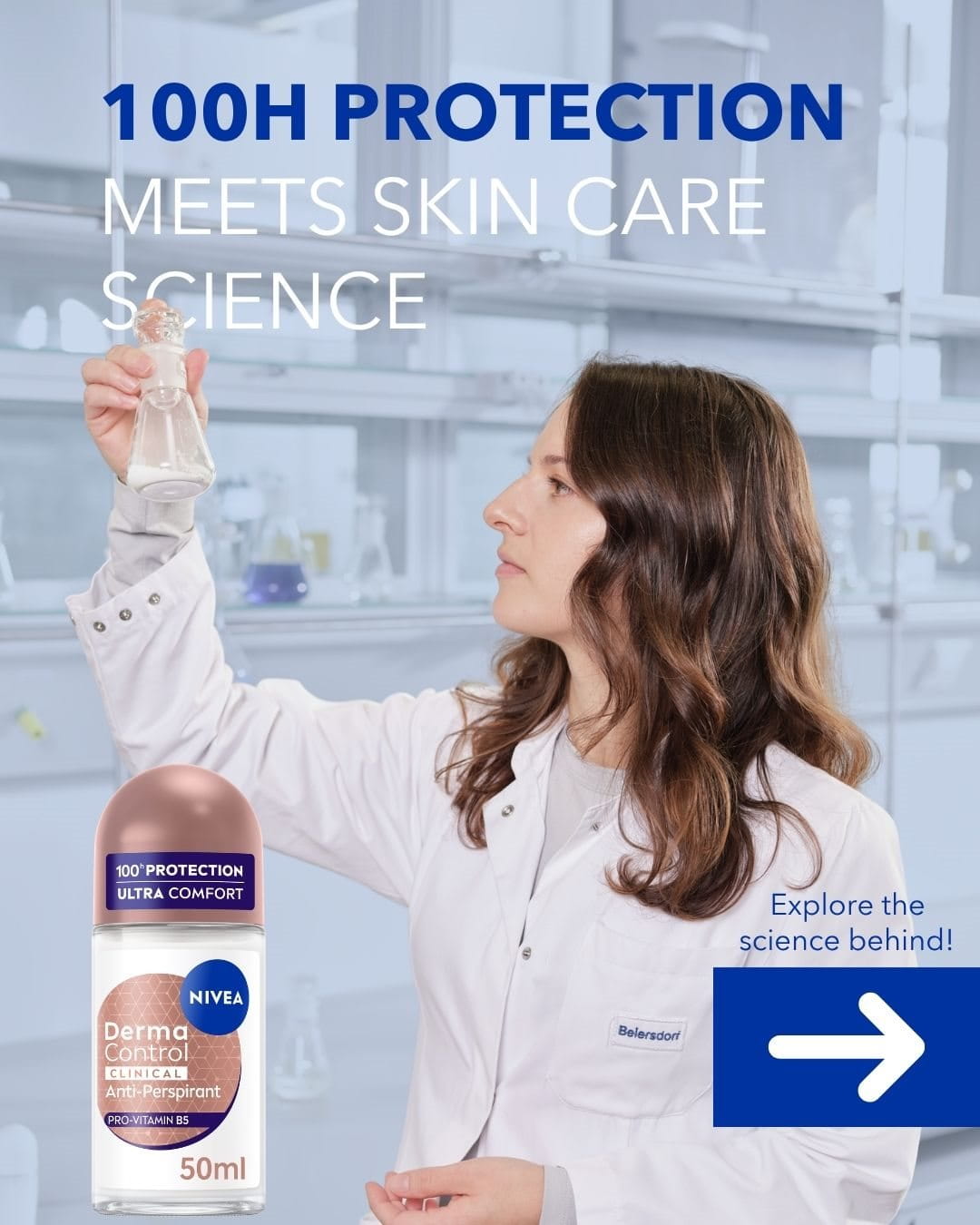
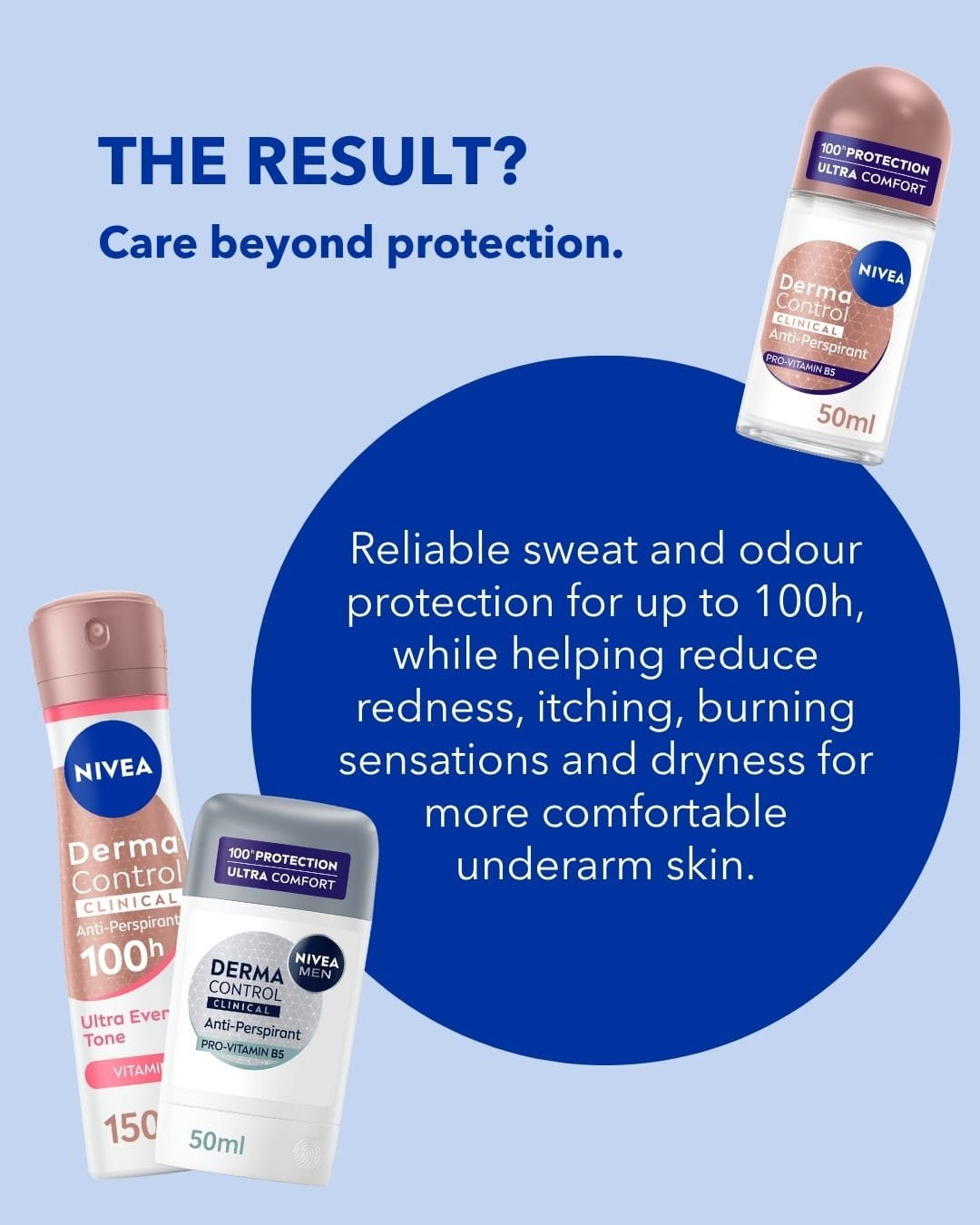
  • NIVEA Derma Control Clinical shows how Skinification can combine reliable anti-perspirant protection with targeted care for underarm skin.
  • At Beiersdorf, deep skin research, consumer insights, and formulation expertise come together to translate scientific knowledge into meaningful innovations across categories.

Marine Beauvais, Scientific Communications Manager, Beiersdorf R&D

“Your skin doesn’t stop at your face, so your skin care shouldn’t either.” That is how Marine Beauvais, Scientific Communication Manager at Beiersdorf, sums up a shift that is reshaping personal care.

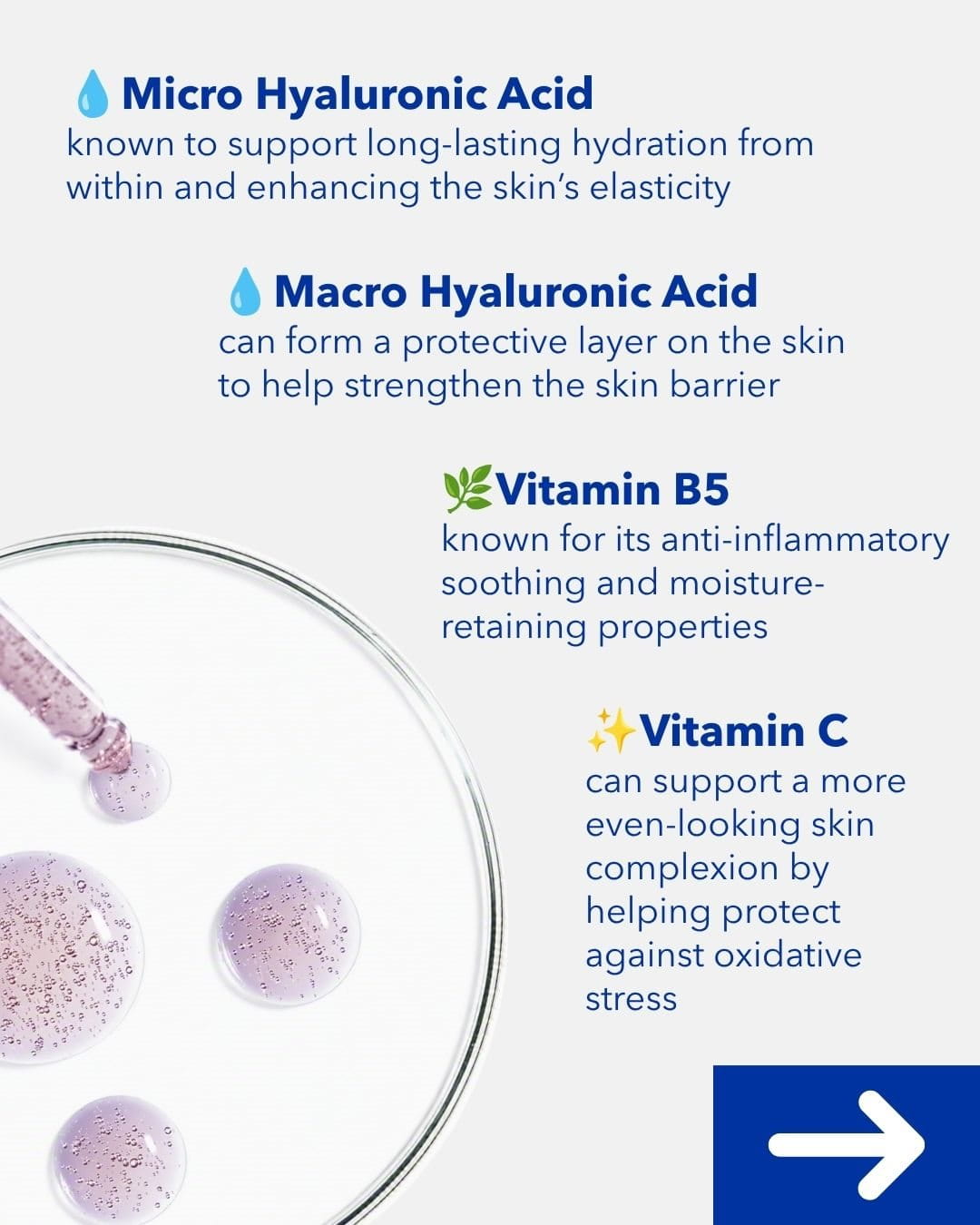
For years, facial skin care has set expectations for targeted ingredients, advanced formulations and sophisticated textures. Now, that thinking is increasingly moving beyond the face. Consumers encounter familiar ingredients such as hyaluronic acid, niacinamide and vitamin C not only in face care, but also in deodorants, body lotions or lip and hair care. At the same time, expectations are evolving: products should not only fulfill their core function, but increasingly address the specific needs of the skin where they are used.

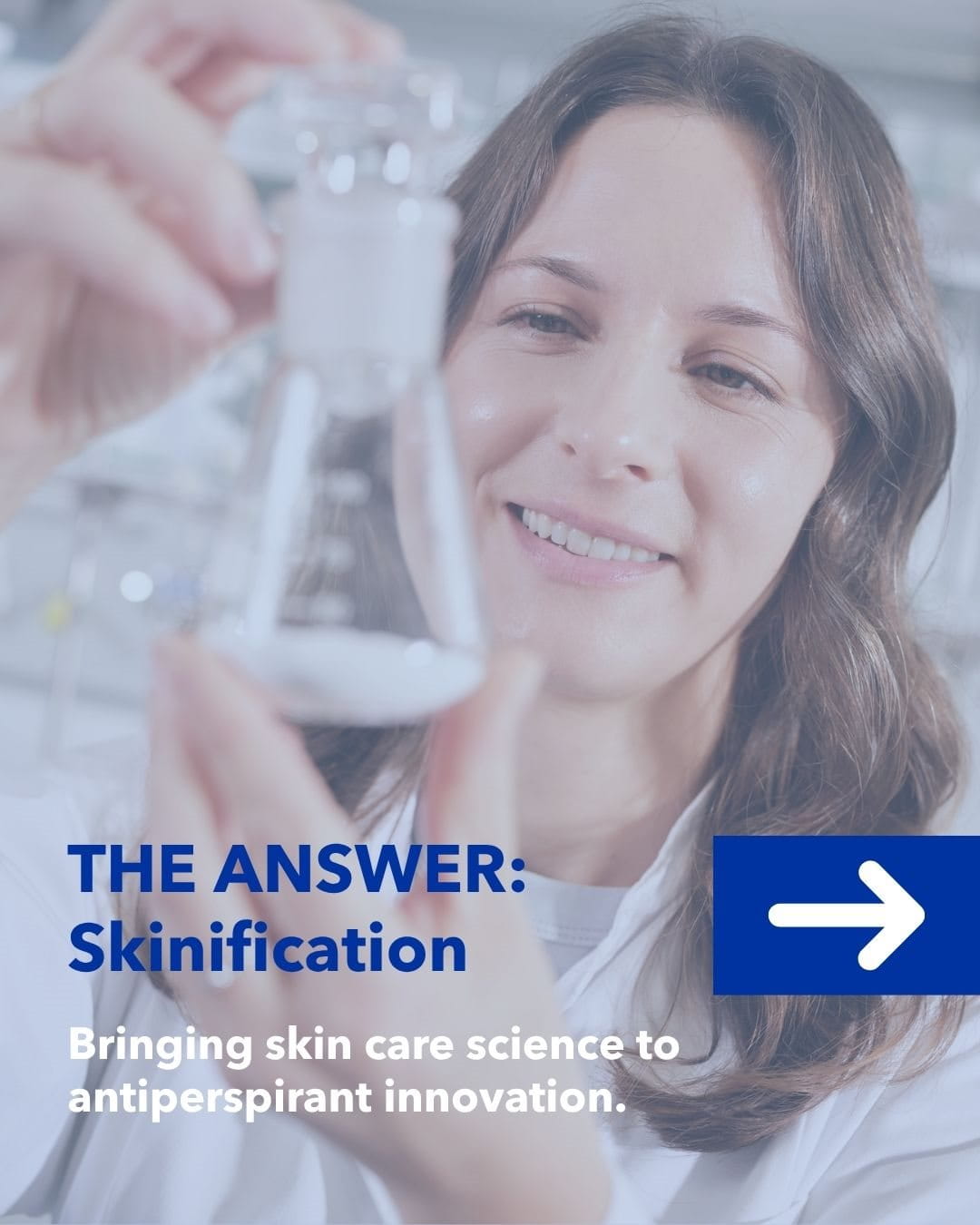
This development has a name: Skinification.

What’s behind Skinification?

Behind the buzzword lies something more fundamental. Skinification is not simply about taking known face care ingredients and putting them into new categories. It starts with understanding the skin more precisely, identifying a relevant consumer need and translating both into products that combine efficacy, care and experiences people want to make part of their everyday lives.

For Beiersdorf, that approach is anything but new. Understanding skin and turning scientific knowledge into skin care solutions has been at the heart of our Research & Development for more than 140 years. Today, Skinification provides new opportunities to apply this expertise across categories and develop innovations that respond even more specifically to our consumers’ needs.

Skinification starts with differentiated skin needs

Skin is not the same everywhere on the body. Different areas have different characteristics, functions and needs, and are exposed to different everyday stresses.

“Underarm skin, for example, can be stressed by shaving, friction and sweat,” says Marine Beauvais. “Lips have particular moisture and barrier needs, while in body care, consumers may look for an effective product solution that fits easily into their daily routine.”

The key question therefore is: What does the skin in a particular area need, and what do consumers expect from the product they use?

“This is where Beiersdorf’s skin expertise becomes particularly relevant,” Beauvais explains. “Scientific understanding helps identify biological skin needs. Consumer insights reveal how these needs translate into expectations in everyday life. Formulation expertise then brings together the right ingredients, efficacy, skin compatibility, texture and sensory experience.”

But an ingredient alone does not make an innovation. It is the combination of the right science, the right formulation and a relevant consumer need that turns it into a tangible product benefit. This reflects a central ambition of Beiersdorf’s Research and Development: translating deep knowledge of skin into innovative solutions that make a meaningful difference in people’s everyday lives.

Deodorant: when protection meets skin care


Deodorant is a good example of how Skinification can reshape an everyday category.

Its fundamental job has not changed: consumers expect reliable protection from sweat, wetness and odor. Especially for those experiencing heavy sweating, strong performance is essential. But deodorant is applied directly to underarm skin, an area that faces very specific conditions. Shaving can contribute to irritation and dryness, while sweat, friction and regular product application can place additional demands on the skin.

Skinification therefore broadens the way we think about the category: How can we combine highly effective protection with targeted care for sensitive underarm skin, without compromising on either?

NIVEA Derma Control Clinical is one example of this protection-plus-care approach. Designed specifically for consumers experiencing heavy sweating, the range addresses a key challenge: delivering maximum protection efficacy without compromising on skin compatibility or contributing to irritation. It combines clinical 100-hour anti-perspirant protection with advanced skin care ingredients, including hyaluronic acid and vitamin C or Pro-vitamin B5. Its different variants address specific underarm skin needs while keeping high anti-perspirant efficacy at their core.

Combining both benefits in a single formulation also posed a significant challenge for research and development.

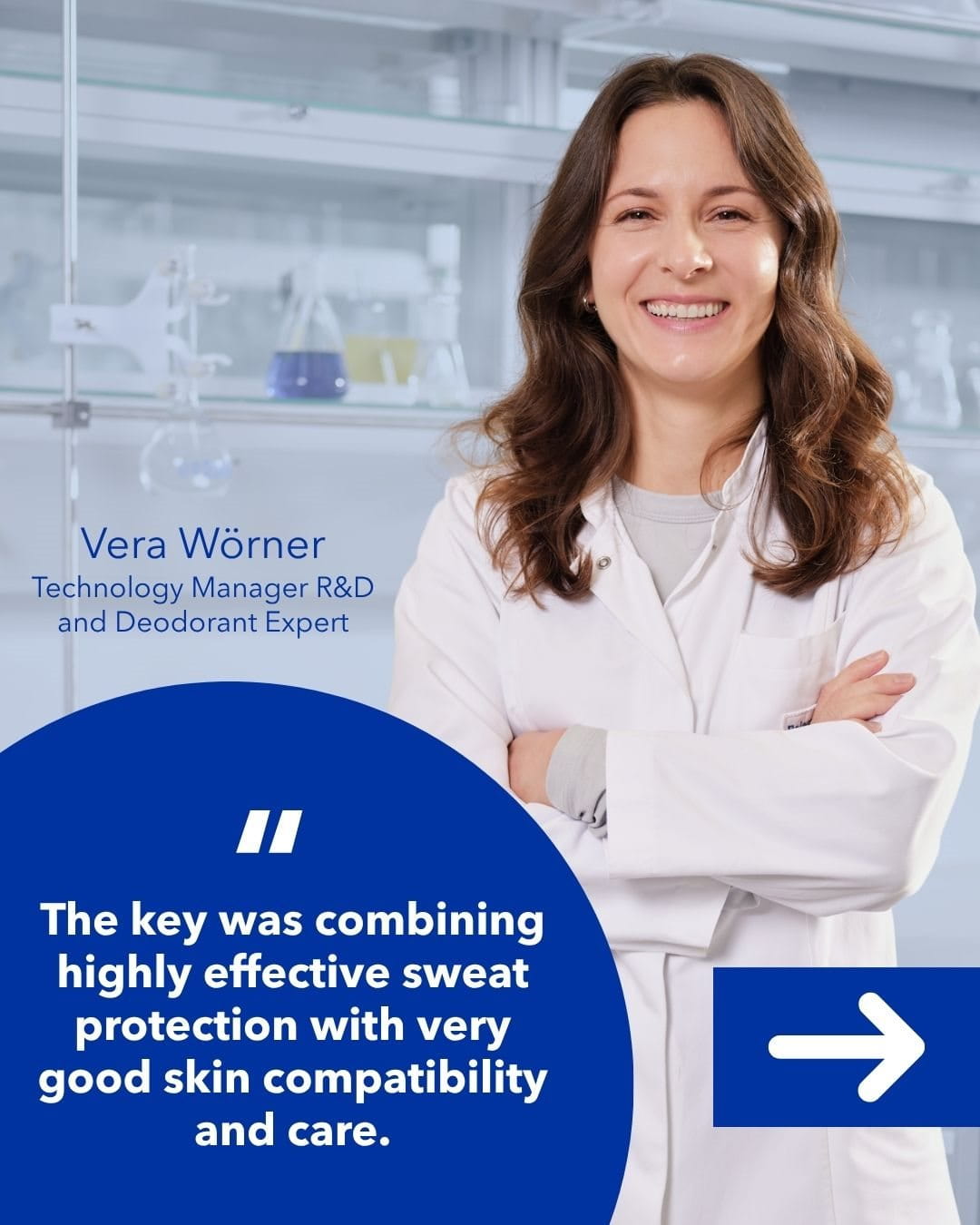
The key challenge was to deliver highly effective sweat protection without compromising on skin compatibility and care,” explains Vera Wörner, Technology Manager R&D. Her team combined highly effective anti-perspirant actives with a skin-friendly care formula.

How serum thinking is changing body care

But Skinification is not only about transferring skin care ingredients to new categories.

“Formats and textures traditionally associated with facial skin care are also moving beyond the face,” explains expert Marine Beauvais. “Serums are a good example: valued for their lightweight textures, they can inspire new sensorial experiences in body care.”

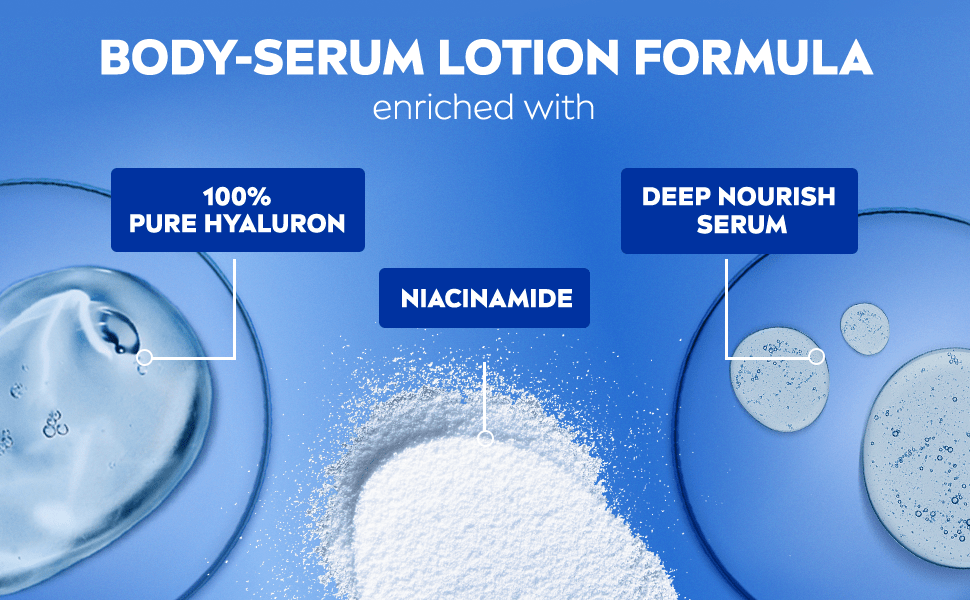
The NIVEA Body Serum Lotion translates this approach into a body care format. It combines the lightness of a serum with the moisturization of a body milk. Its formula with 100% pure hyaluronic acid and niacinamide absorbs within seconds and leaves an ultra-light skin feel, while providing long-lasting moisturization. Like a facial serum, it offers flexibility in use: it can be applied on its own for lightweight, targeted care or layered with other body care products.

“This shows another dimension of Skinification: transferring not only ingredients, but also formats, sensorial qualities and routines from facial skin care to other areas of the body. The result combines efficacy with textures that make targeted care easy and enjoyable to use every day,” says Beauvais.

FAQ

  • Skinification describes how skin care thinking traditionally associated with facial care is moving into other personal care categories such as deodorants, body, lip, and hair care. It goes beyond the use of familiar ingredients such as hyaluronic acid, niacinamide or vitamin C. Formats, textures and routines from face care can also be adapted to address the specific needs of the skin in different areas of the body.

  • Skinification builds on what has been at the heart of Beiersdorf’s Research & Development for more than 140 years: understanding skin and translating scientific knowledge into relevant skin care solutions. By combining skin research, consumer insights and formulation expertise, Beiersdorf can apply this knowledge across categories and respond to evolving consumer needs.

  • No. At Beiersdorf, Skinification starts with the specific needs of the consumer’s skin, rather than simply following ingredient or format trends. The aim is to bring together the right science, ingredients, formulation, efficacy and sensory experience to create a relevant product benefit.

  • Skinification creates opportunities to think beyond traditional category boundaries and apply skin care expertise in new ways. This can involve Beiersdorf’s own patented active ingredients, such as Thiamidol® for hyperpigmentation, as well as Q10 or EPICELLINE® in anti-age, alongside well-known ingredients where they best address a specific skin need. The focus remains on turning scientific understanding and consumer insights into meaningful innovations.

Marine Beauvais explains how skin care expertise is moving beyond the face and into everyday categories such as body care and deodorants.
For Beiersdorf, Skinification is not simply a new trend, but an evolution of decades of skin care expertise beyond traditional categories.

About the Editor: Marina Blank

Marina joined Beiersdorf in 2024 as a Communications Trainee, gaining experience in areas such as Corporate Branding, Digital & Social Media, Media Relations, Crisis and Product Communications. Inspired by Beiersdorf’s innovative strength, she has focused since 2026 on communicating research and development, sharing the stories behind the science, technologies, and people driving innovation.