6/23/2026

Pioneering the real skin microbiome science

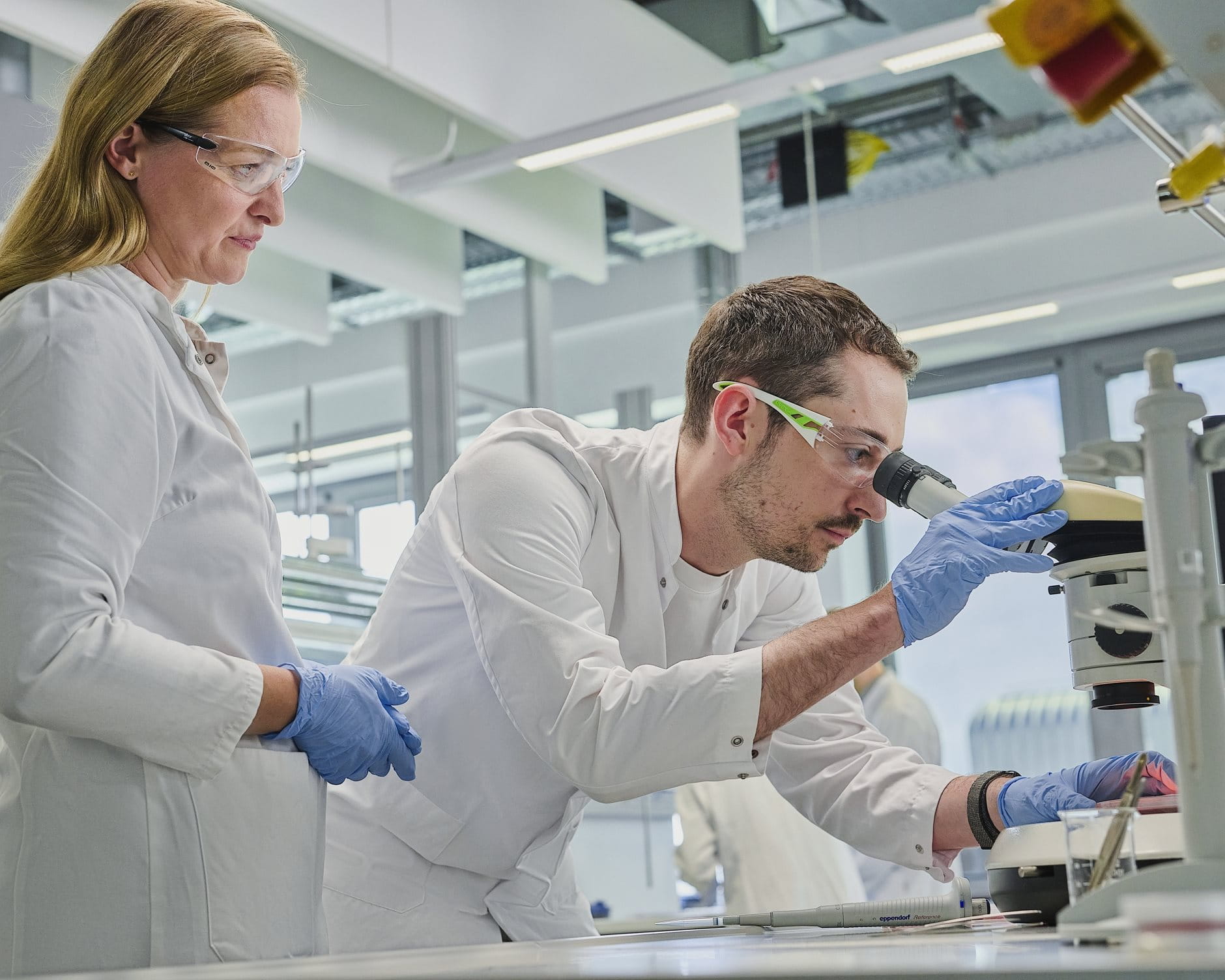
Beiersdorf is one of the world’s pioneers in the field of skin microbiome research. In fact, our first insights into bacteria on the skin date back to the end of the 19th century. Over the past decades, our scientists have made considerable progress to further decode the secrets of the skin microbiome. What role do the different microorganisms living on our skin play and what might they have to do with skin issues? Our two experts Benjamin Al and Tina Hamann explain what our know-how means for the development of completely novel skin care products.

Ben, the term “microbiome“ has been very much in the public eye for some years now. Why is that?

Dr. Benjamin Al, Head of Dermatology Research at Beiersdorf

Ben: Research into the microbiome as a whole has accelerated enormously. We now know that a balanced microbiome, such as an intact gut flora, can have a major impact on our wellbeing. Likewise, the skin microbiome also plays a crucial role. It consists of several million microorganisms, including bacteria, viruses and other microscopic creatures. They form a symbiotic community with the skin and act as an important protective shield against external influences. Our microbiome is as unique as a fingerprint.

However, if the composition of this second “shell” shifts too much in such a way that the beneficial microorganisms are outnumbered – e.g. due to stress or hormonal changes during puberty or pregnancy – skin issues can occur.


What is the skin microbiome?

The skin microbiome is a highly active network that interacts closely with our skin cells and together forms the skin barrier.

What is Beiersdorf’s research about? Should skin issues be “creamed away”?

Tina Hamann, R&D Senior Engineer Microbiome Research Lab at Beiersdorf

Tina: With over 140 years of expertise, hardly anyone understands the skin as well as we do at Beiersdorf – in all its complex facets. Our credo has always been to “learn from the skin for the skin”. Accordingly, our technologies – and the resulting products – are closely aligned with natural skin biology to achieve good tolerability and efficacy.

Microbiome research has revolutionized our understanding of the skin in recent years. Based on the findings of more than two decades of intensive scientific work in our laboratories, we can confidently say that Beiersdorf sees itself as a designer of the skin microbiome.

Could you explain in more detail what you mean by this?

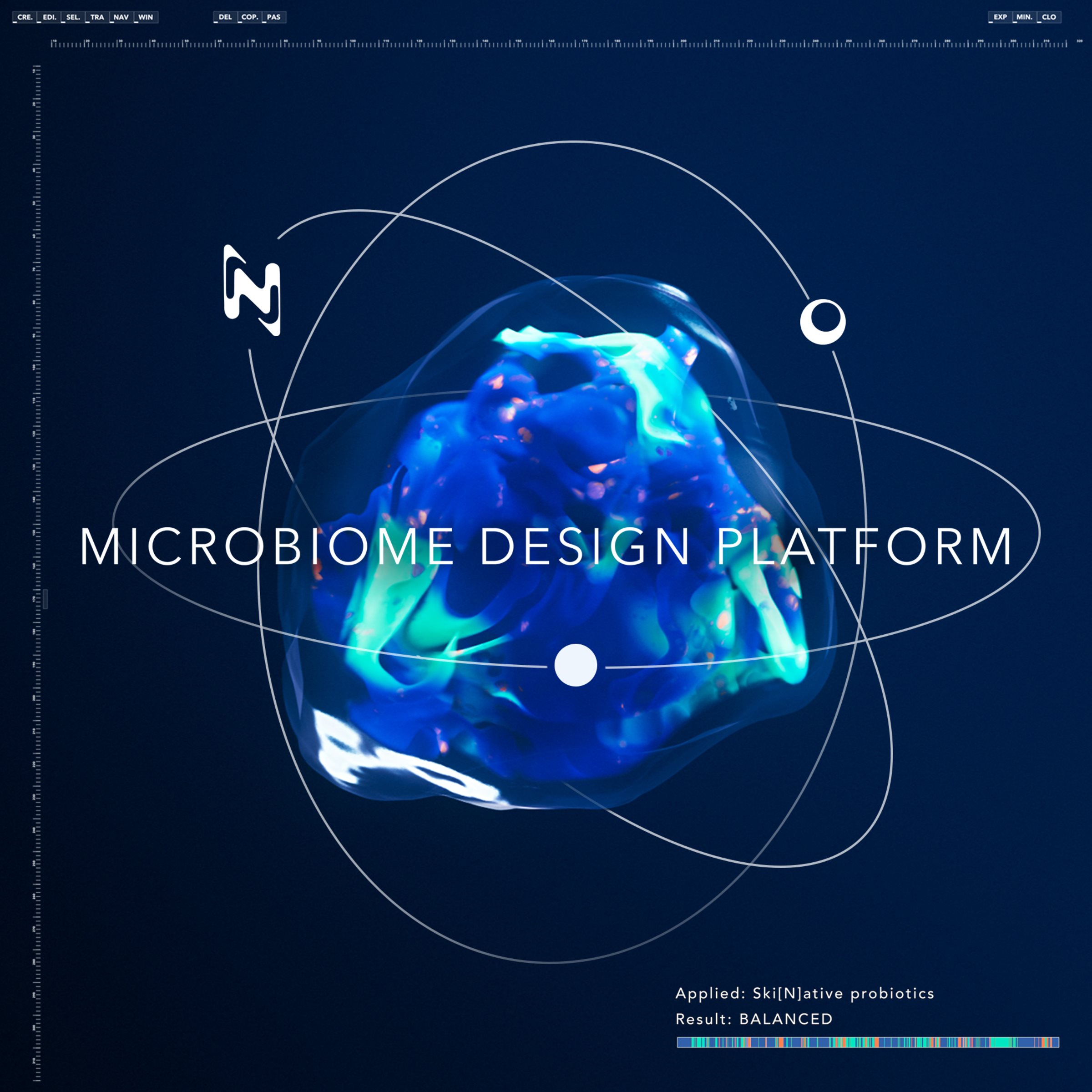
Tina: Our starting point was that we wanted to understand the different skin conditions and any occurring skin issues in more detail also at the microbial level. We know that it is crucial to keep the skin microbiome in balance or to restore its balance. When it comes to skin issues, people often use active ingredients that attack all bacterial strains – even the protective ones. With our revolutionary Ski[N]ative Probiotics approach, we rely on probiotics that are part of the natural skin microbiome to support it in a very targeted way. It is also at the heart of our so-called Microbiome Design Platform – a technological “ecosystem“ that is based on more than 70 granted patents and includes various microbiome-based approaches. This enables us to develop completely novel skin care solutions that redefine the way we care for our skin.

Did you know?

Beiersdorf scientists contribute significantly to the wealth of knowledge on the microbiome: with over 120 studies since 2014 alone, over 25 publications and over 70 granted patents.


Pioneering successes are usually not the work of individuals, but teamwork. Does Beiersdorf also work together with external scientists?

Ben: Innovation work is all about teamwork and we pursue the approach of meaningfully complementing our own knowledge with that of external experts. Our close partnership with the Belgian biotech start-up S-Biomedic is an important component of our skin microbiome research: we joined forces with this innovative life science company in 2018 and acquired it in 2022. S-Biomedic has extensive expertise in the field of probiotics. Together, we want to unlock the full potential of the microbiome for skin care in all its facets – from blemished skin to anti-aging. In addition, we have been researching the microbiome in close collaboration with numerous renowned universities for many years.

What fascinates you so much about skin microbiome research?

Ben: The skin as a sort of “microcosm” still holds a multitude of secrets and surprises. Even though we at Beiersdorf have been active in skin microbiome research for many decades, there is still a lot to discover. Our goal is clear: based on our findings, we want to establish a new standard in the cosmetics market.

Tina: I am always enthusiastic about the interdisciplinary teamwork on this complex topic. Bringing together expertise from different disciplines and constantly learning new things from each other is particularly exciting for me. Science never stands still.

Thank you for sharing these insights.

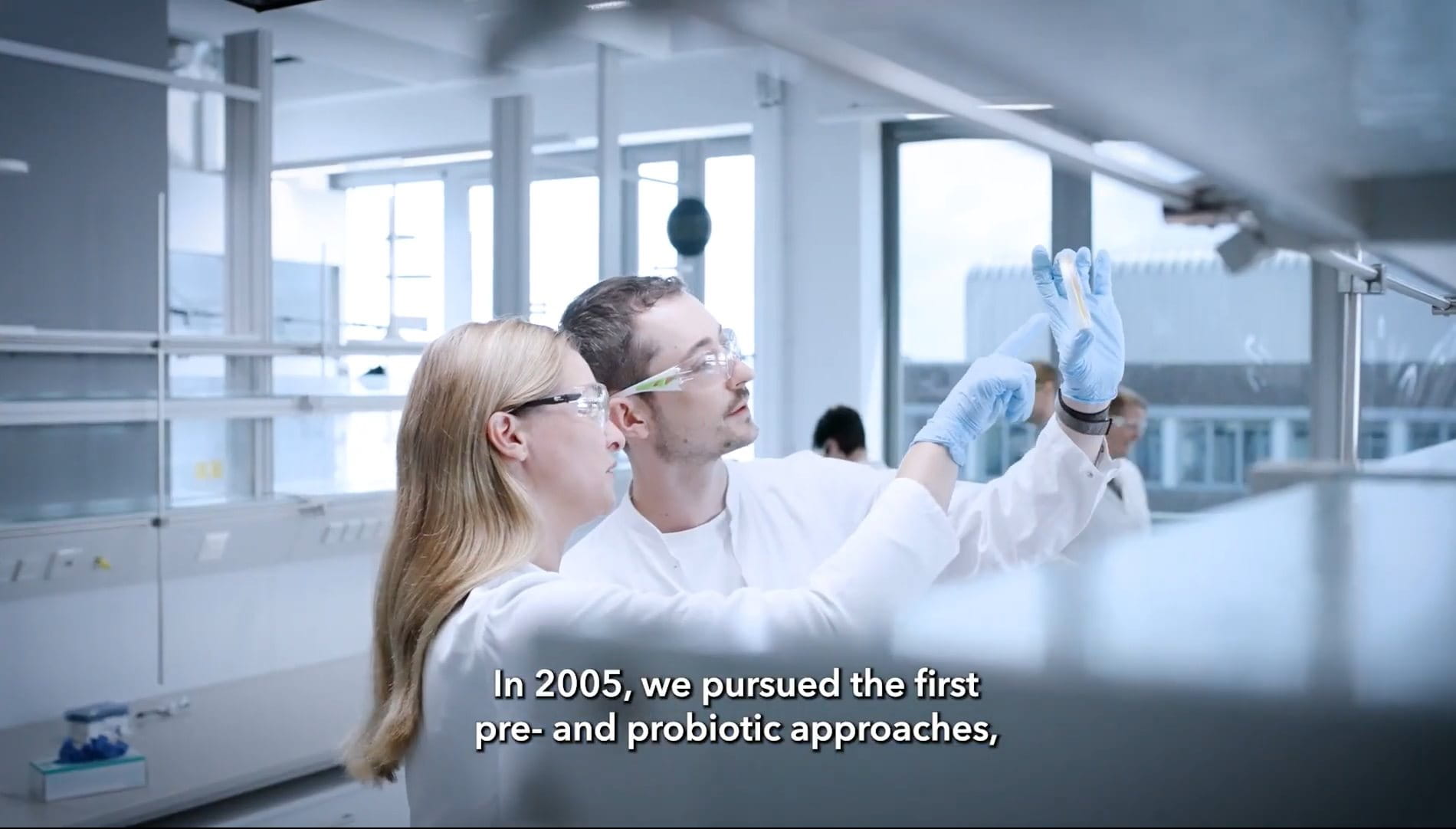
Our scientists have been decoding the skin microbiome since the 1990s. Since 2005, we have been pursuing pre- and probiotic approaches on how to influence the skin microbiome. Today, they are part of our Microbiome Design Platform.

Pioneering work

In 1894, Prof. Dr. Paul Gerson Unna first discovered a bacterium in skin blemishes and called it “acne bacillus”* – today it is known as Cutibacterium acnes or C. acnes. And today we also know that it is not if, but which strains of C. acnes in which quantity live on the skin that makes the difference as to whether skin issues can occur. Unna’s early discovery forms the basis for today’s skin microbiome research.

* Unna, P.G. The Histopathology of the Diseases of the Skin. The Macmillan Co., New York (1896)


About our two experts:

Tina Hamann is a Senior Engineer in the R&D Microbiome Research Lab at Beiersdorf. She focuses on microbiome research and the development of probiotic active ingredients, collaborating closely with leading scientists and the strategic partner S-Biomedic.

Dr. Benjamin Al is Head of Dermatology Research at Beiersdorf. He focuses on advancing research across various skin indications and developing transformative cosmetic solutions for these skin conditions.

About the Editor: Kathrin Erbar

Kathrin takes us on a journey through the fascinating field of research and development at Beiersdorf. Before exploring Beiersdorf’s DNA, she did communications for HR topics (diversity, leadership, New Work), and previously oversaw financial communications at Beiersdorf for several years.