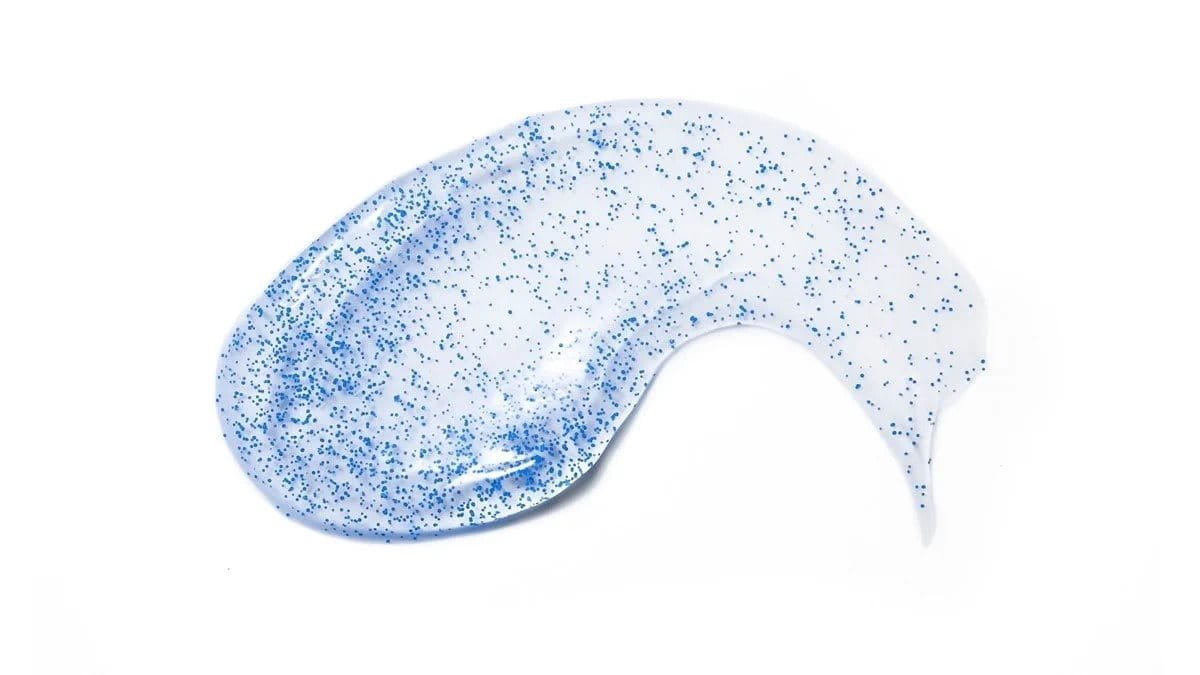
Public debate around the topic of microplastics is very controversial and extremely complex, as there is no internationally binding definition for the term “microplastics”. At Beiersdorf, we understand microplastics to be solid, water-insoluble plastic particles that are five-millimeters or smaller and not biodegradable. In doing so, we rely on the substantiated definition of the UNEP, the United Nations Environment Programme, thereby adhering to broadly shared scientific opinion.
It is problematic if such small plastic particles end up in the environment because they do not easily biodegrade and thus burden ecosystems. According to current research, microplastics detected in the environment come from a diverse range of sources: The vast majority of small plastic particles originate from larger pieces of plastic that have not been correctly disposed of and, due to solar radiation for example, have decomposed over time.
Other relevant sources of microplastics are particles that result from tires, paint or artificial grass abrasion, for example, as well as fibers from synthetic clothing that come loose in the wash. Smaller plastic particles from industry, such as pellets, and some ingredients in household cleaning products and cosmetics, can also be considered microplastics.