Shea Butter – Natural Care from West Africa

Shea butter is an amazing moisturizing all-rounder. People across Africa have been using shea butter for thousands of years to protect their skin from drying out due to the hot climate in the sub-Saharan countries. Due to its outstandingly caring, naturally nourishing properties, shea butter has become indispensable in today’s body care and cosmetics products worldwide. This high-quality butter is also a vital ingredient in many Beiersdorf products – it is used in our lip balms and body lotions, for example.

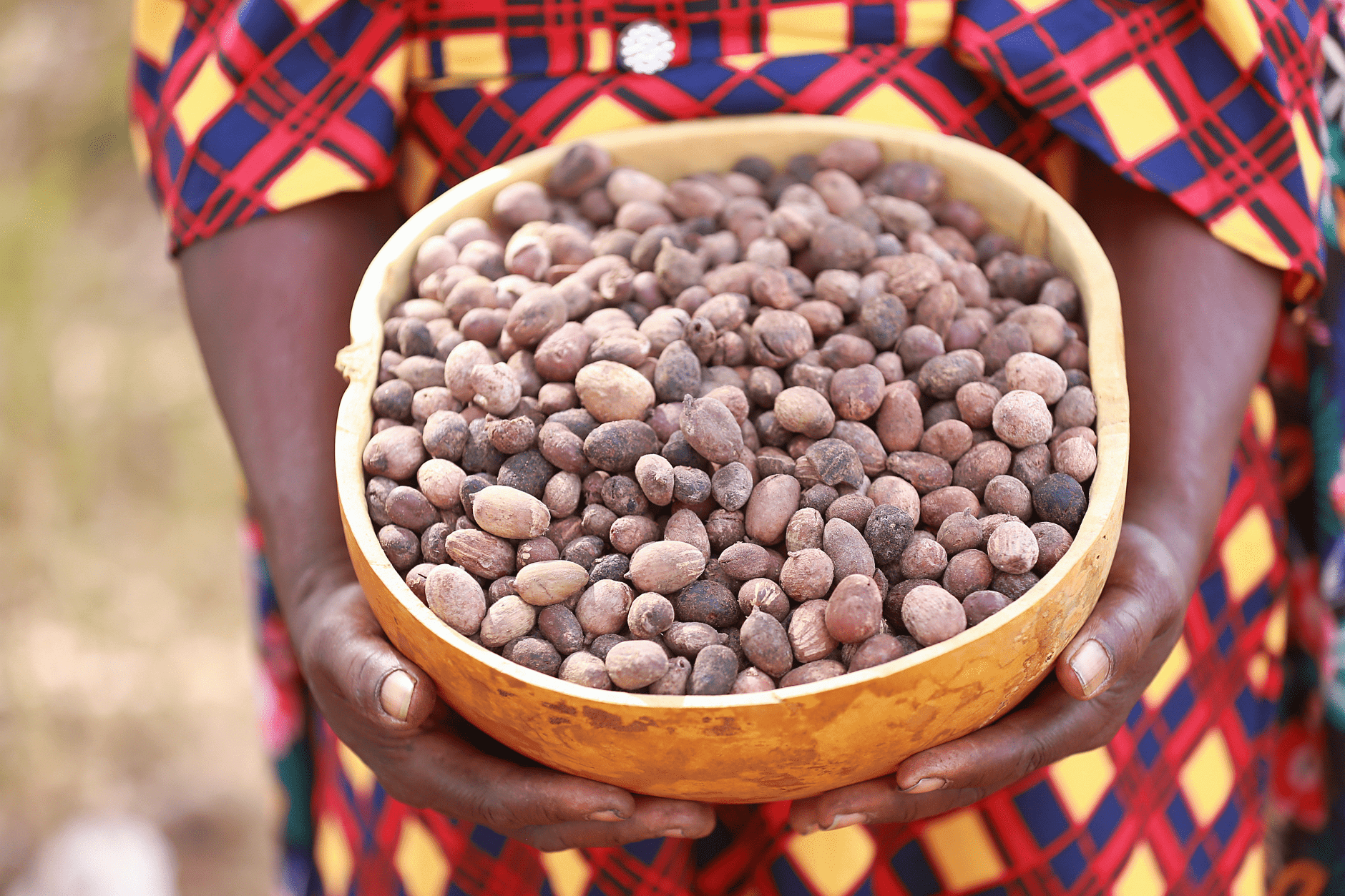
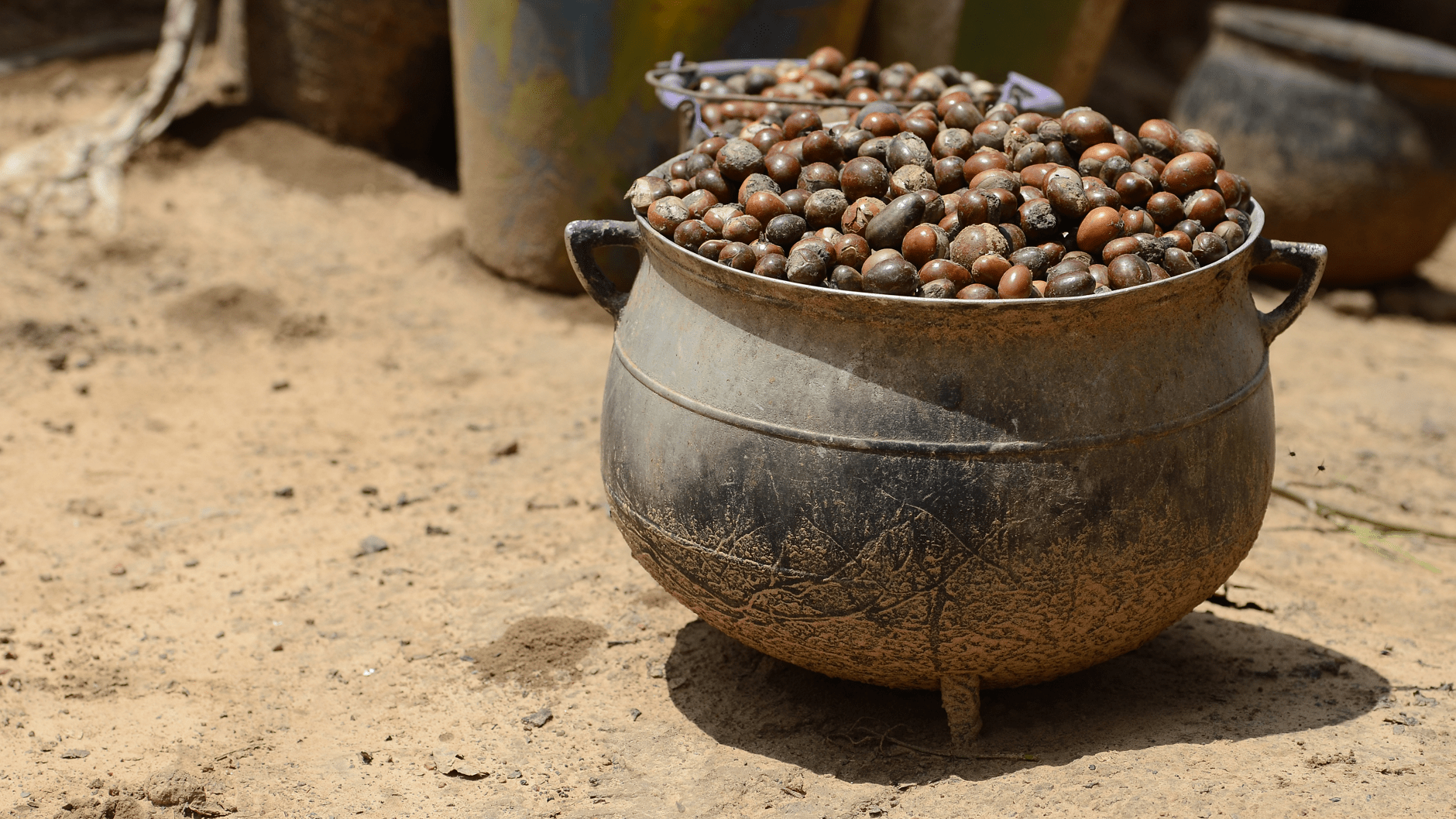
Shea butter is a naturally renewable raw material and is mainly sourced from the West African countries of Burkina Faso, Ghana, Mali, Benin, Nigeria, Togo, and the Ivory Coast. The only region in the world where the shea nut or shea tree grows naturally is the “Shea Belt” that stretches right across Africa south of the Sahara. A shea tree can live to be over 300 years old and can take 15-20 years to bear fruit for the first time. The shea nuts grow on the branches of the tree, which can grow up to 20 meters high. Shea butter is extracted from the nuts in complex steps. The special thing about the shea tree is that it is difficult to cultivate – there are no shea plantations to date. New trees are the result of a targeted regeneration process controlled by farmers that supports the “accidental” germination of shea tree seedlings. This means all nuts from wild-sown, widely scattered shea trees on the savannah and on arable land are gathered by local people.
“Women’s gold”

African woman

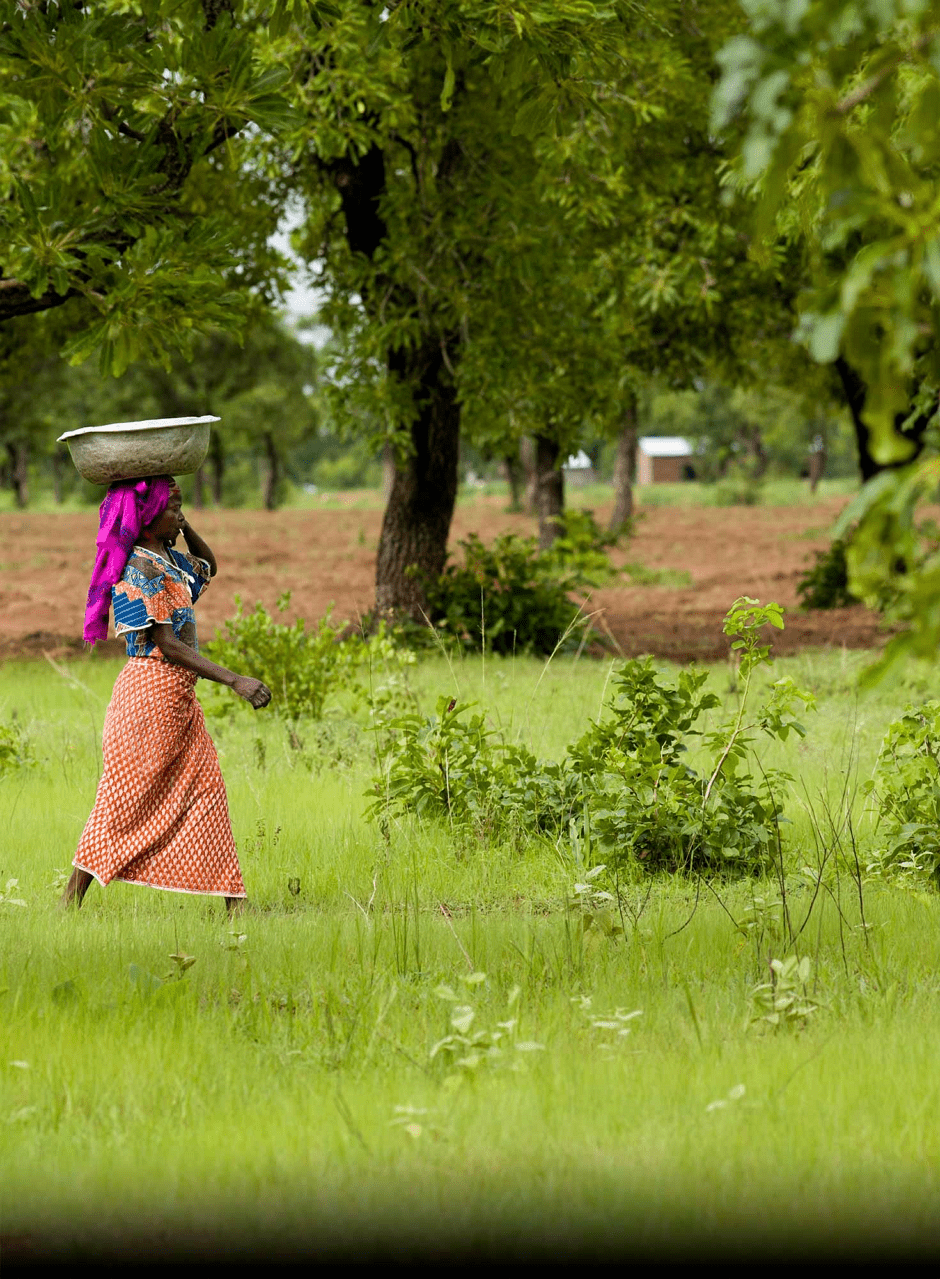
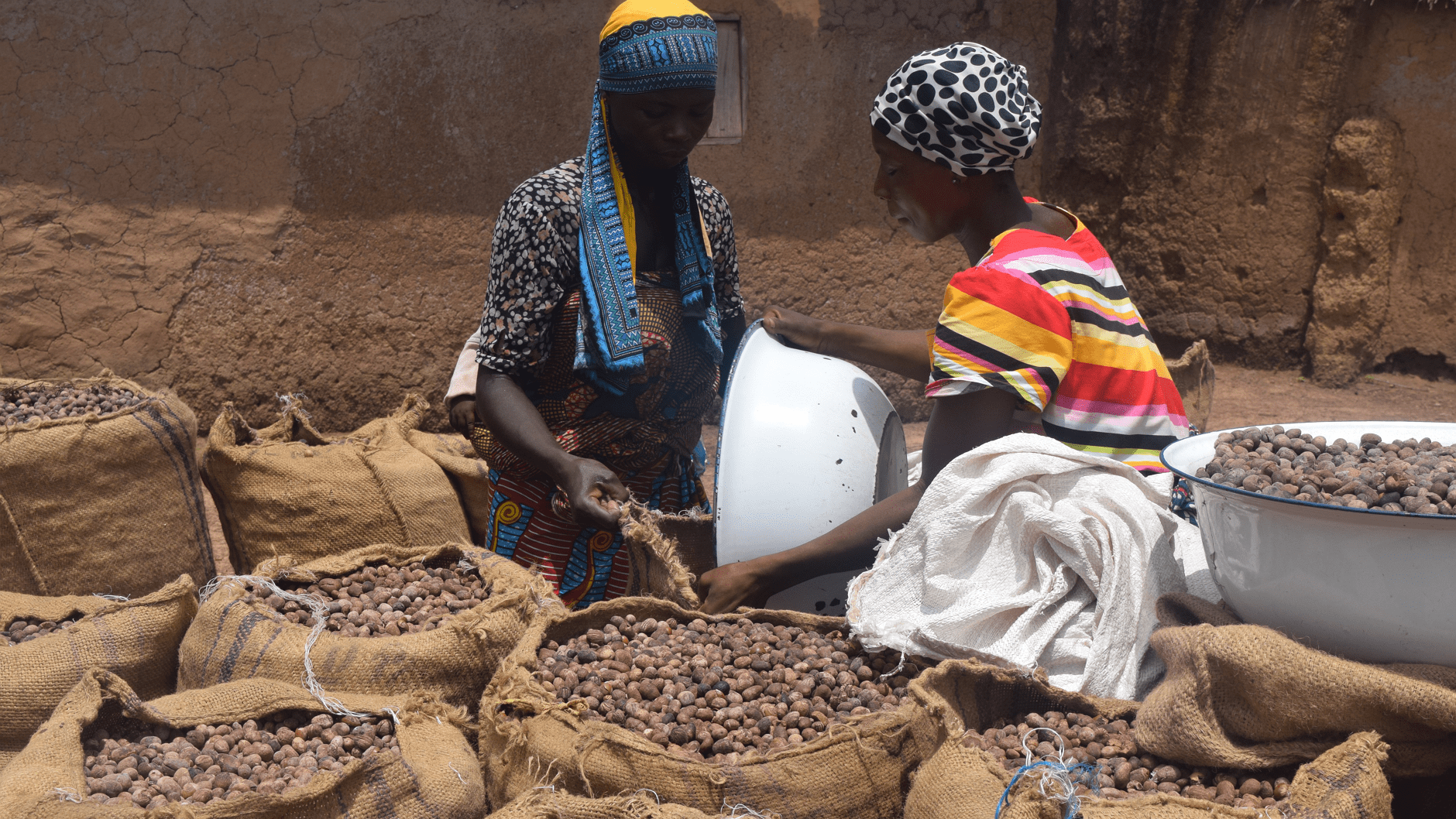
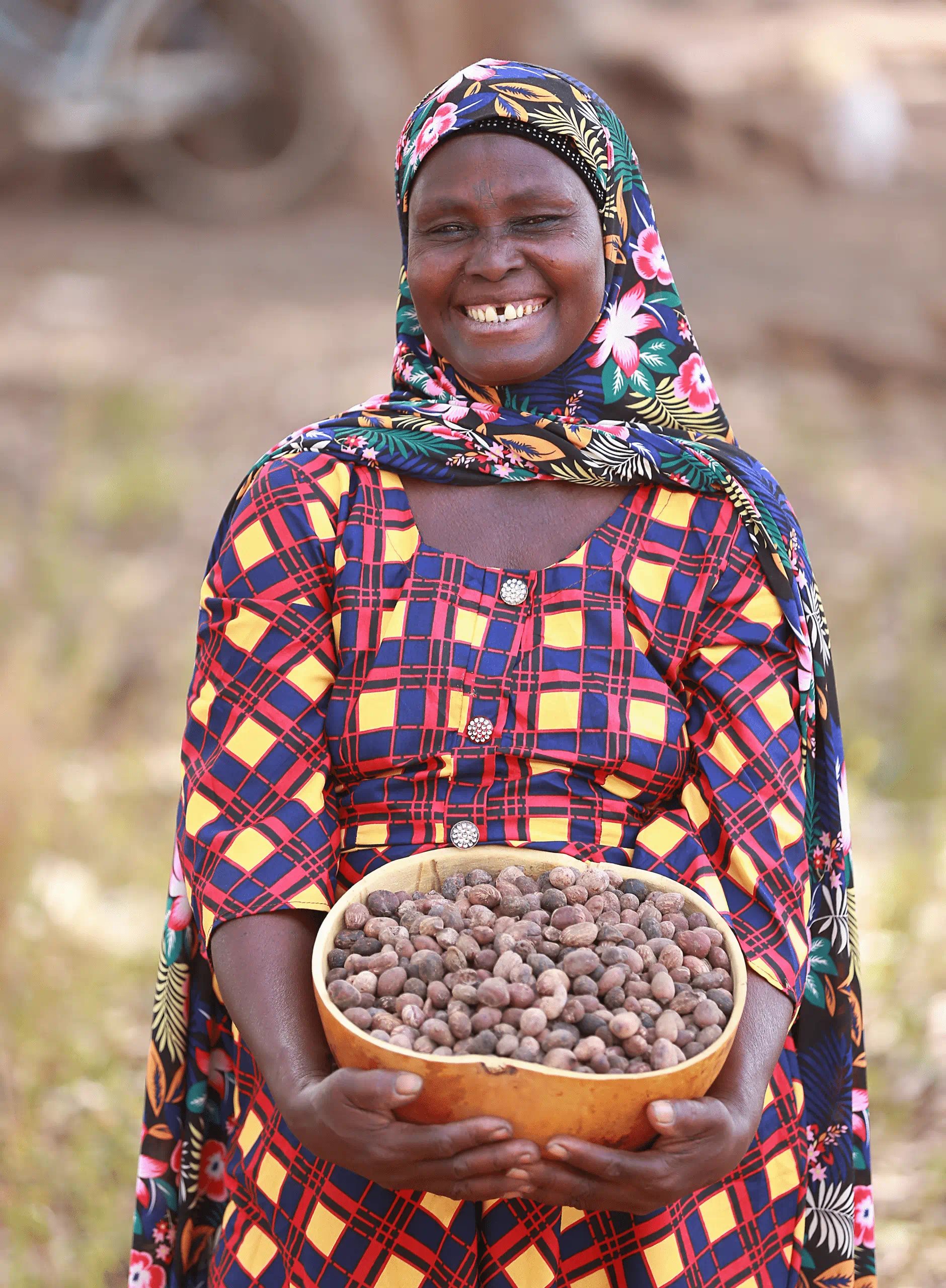
The harvesting and production of shea butter has traditionally remained firmly in the hands of African women. This is why in Africa shea butter is also called “women’s gold” and is one of the few products on the continent that is economically leveraged by women alone; it is estimated that 16 million women earn their living in the shea supply chain. They possess the knowledge, passed down through generations, to produce shea butter in the traditional way.

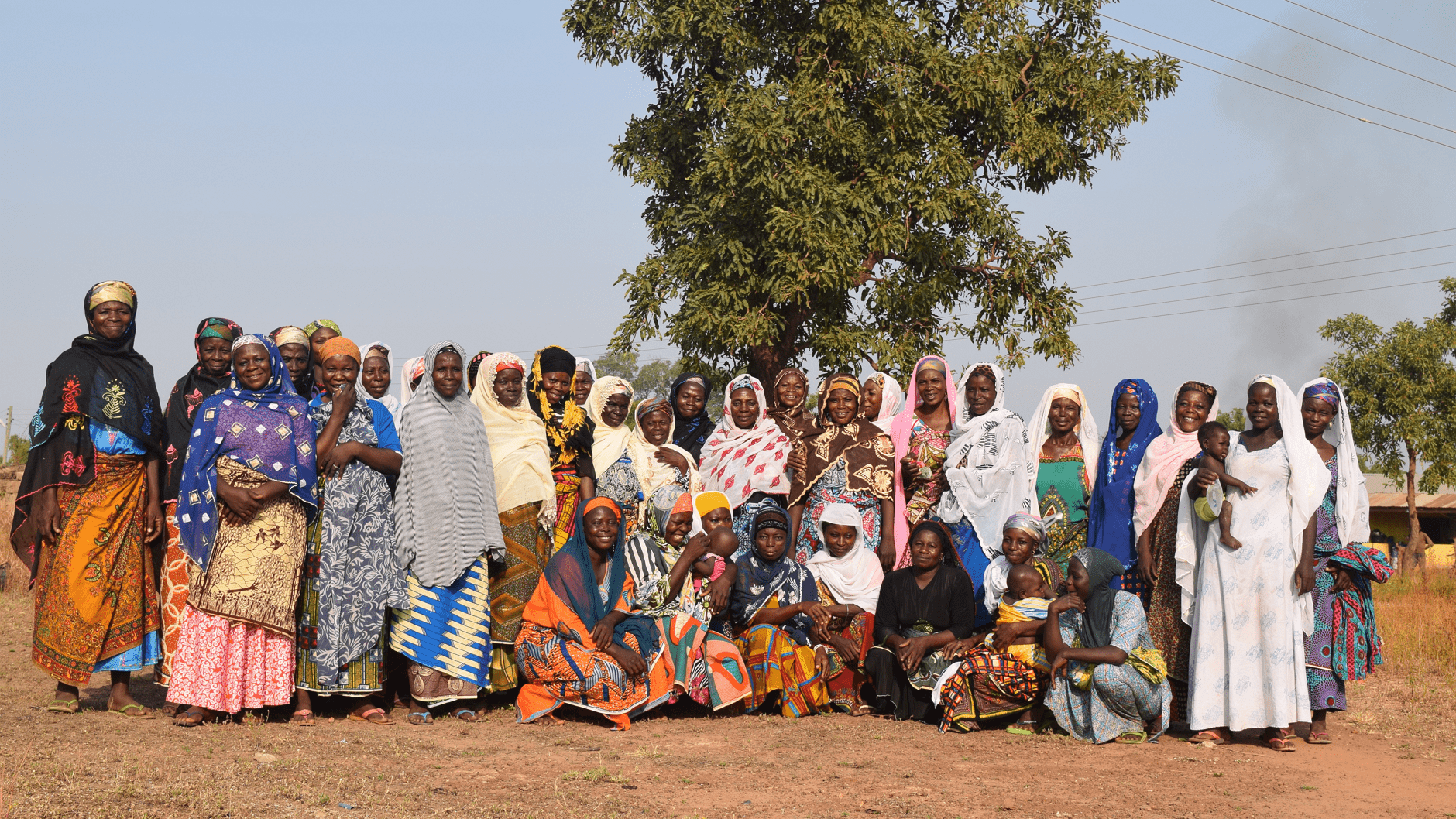
The increasing global demand is enabling women in rural and often very poor areas to improve their living conditions. They organize themselves into women’s collectives to be able to present themselves confidently to partners and buyers, and to form a secure negotiating base. Through their sales they now make a substantial contribution to maintaining their families and can invest in the education of their children. At the same time, their status in their communities is improving. Our aim at Beiersdorf is to further promote these women’s independence and autonomy.

Empowering women shea harvesters on the ground since 2019

Sheanuts process

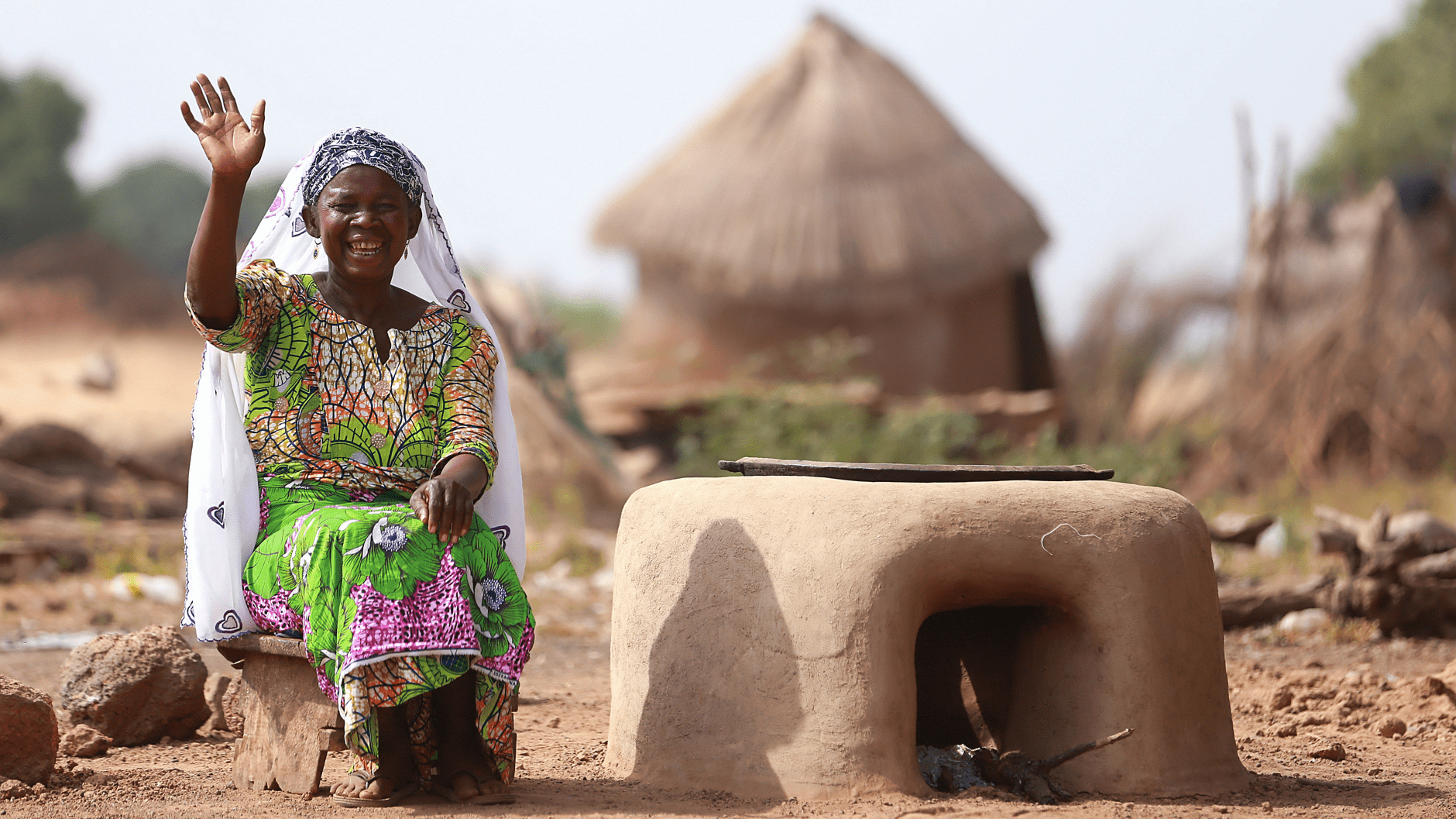
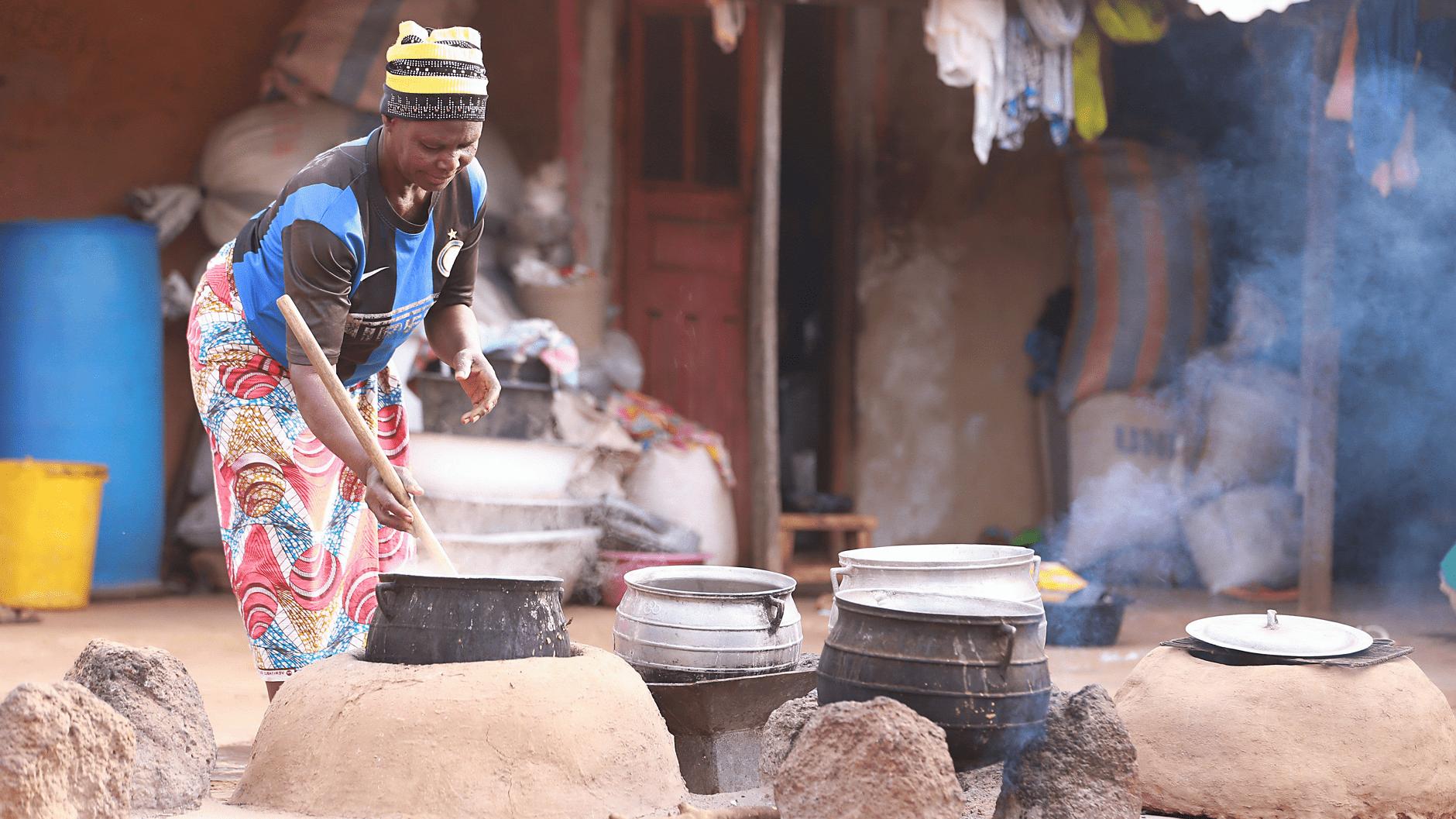
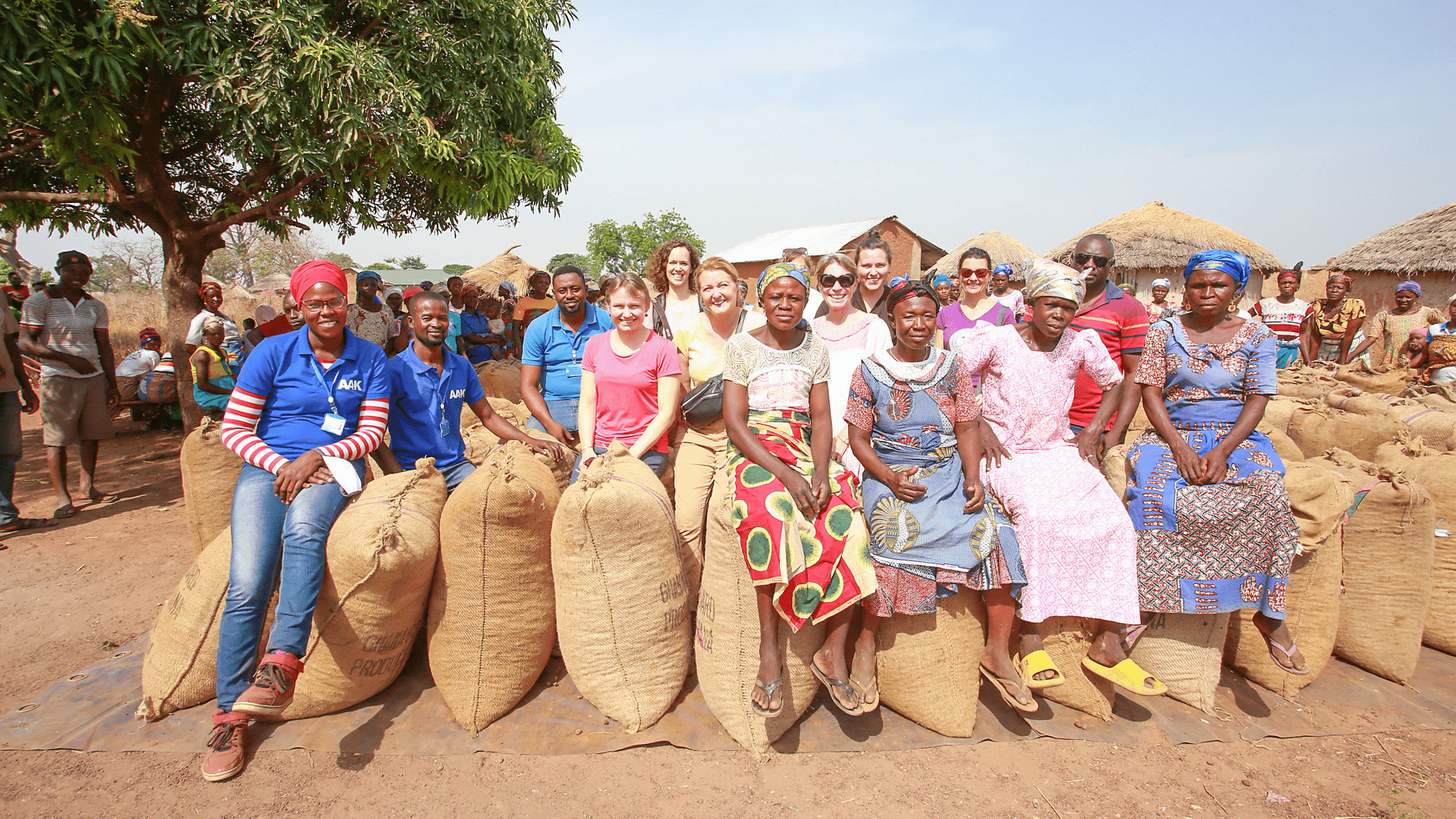
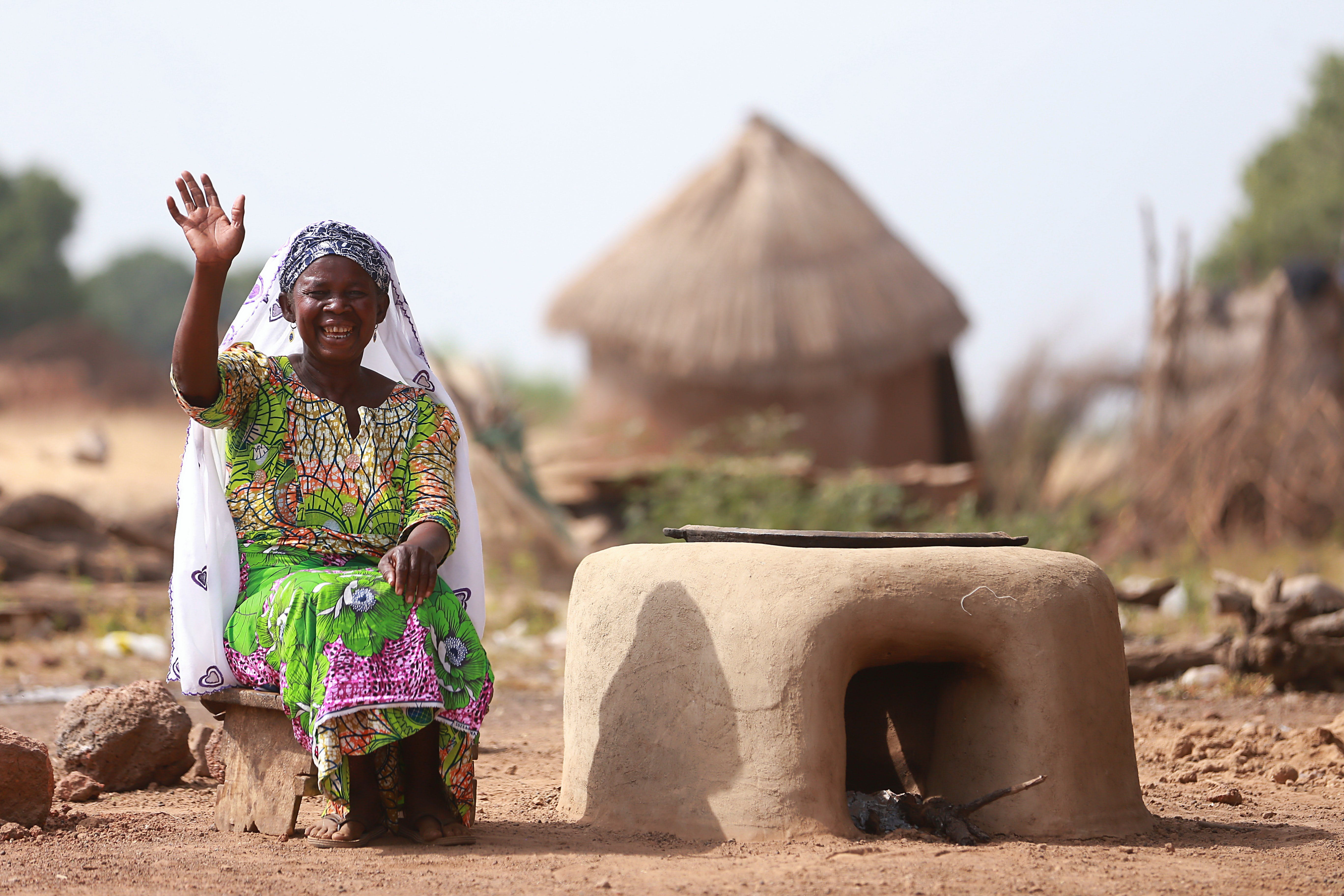
Since 2019, Beiersdorf has been committed to supporting shea-collecting women in Ghana and Burkina Faso. In 2019, we launched our first project and teamed up with our shea supplier AAK and the Global Shea Alliance. The joint goal of the 5-year project was to support 10,000 women through financial resilience, tree planting, shea processing and health and safety training. We exceeded our target and reached over 10,500 women through the project and its initiatives. In addition, 12,100 improved energy-efficient cookstoves with closed fires were built, supporting improved cooking conditions for shea-processing women. Shea-gathering communities were also trained in the protection and planting of shea parklands, resulting in the planting of more than 20,400 new shea trees. 

The project ended in 2024, with the success that all project goals were exceeded and an important contribution was made to Beiersdorf's sustainability agenda CARE BEYOND SKIN. To build on this success, we launched our second project with AAK in 2025, which will again run for five years until 2030. The new project continues training on village savings, loans, financial resilience, and health and safety, while providing women in the beneficiary regions with cookstoves, skills, and seedlings for planting shea trees. It also supports borehole renovation and maintenance and introduces shelling machines for shea kernel processing. In addition, the new project aims to support access to clean water in shea collecting communities through borehole renovation and long-term maintenance. In addition, the shea kernel shelling process is to be improved through the introduction of efficient shelling machines, which can also be used as an additional source of income.

By continuing our project with AAK, we support women shea collectors in rural communities through activities designed to strengthen income opportunities and increase their ability to act independently. The project also includes measures to support water access in remote communities and tree planting activities, which can contribute to carbon sequestration and land restoration efforts.